Ko:OpenHistoricalMap/Tags
오픈히스토리컬맵 (OHM)의 태그 규정은 오픈스트리트맵(OSM)의 태그에 많은 기반을 두고 있습니다. 실제로 OSM에서 사용빈도가 낮은 태그, 가령 crop=*이나 historic=* 이하의 모든 태그는 OHM에서 훨씬 더 중요하게 사용됩니다.
다만 OHM은 OSM과는 무관한 역사 지리학적 측면, 다시 말해 날짜와 출처 (대부분 2차 출처), 그리고 해당 출처의 저작권과 저작자 표시 요구를 수용하기 위해 몇 가지 조정이 이루어졌습니다. 통상적인 지도 제작 방법을 파악하려면 OSM의 Map features 가이드와 Key:, Tag:, Relation: 이름공간의 각 문서를 출발점으로 삼으시는 것이 좋습니다. 여기서는 OHM과 관련된 세부사항을 보충해 놓았습니다.
OSM과 마찬가지로 OHM에서도 대체로 '쓰고 싶은 태그라면 뭐든지' 철학을 따르고 있으며, 위에서 정해져 내려오는 것이 아니라 실사용을 통해 커뮤니티에 좋은 아이디어가 유입될 수 있도록 하는 쪽을 선호합니다. 하지만 실질적인 제약조건도 존재하는데, 기존 데이터 소비자와의 하위 호환성 유지를 위한 오픈히스토리컬맵 홈페이지의 렌더러가 대표적입니다.
OHM은 오랫동안 사용되어 왔지만 계속해서 발전하고 있고, 여전히 해결되지 못한 문제들이 많습니다. 태그 규정에 대한 논의는 토론 페이지나 기타 소통 공간에서 진행할 수 있습니다. 이러한 발전 과정에서 '지금 구현된 기능은 무엇인가, 추후 구현될 수 있는 기능은 무엇인가, 지원했으면 좋겠지만 언제 구현될지는 불확실한 기능은 무엇인가'를 함께 생각해보는 것이 중요하겠습니다.
날짜
오픈히스토리컬맵의 지물에는 그 존재가 드러난 시점을 나타내는 start_date=* 태그가 반드시 달려야 합니다. 단, 지금 시점에서 가늠하기 어려운 자연지물의 경우에는 예외로 할 수 있습니다. 더 이상 존재하지 않는 지물일 경우, 그 지물이 사라진 시점을 나타내는 end_date=* 태그가 달려야 합니다. 이 두 태그가 없다면 지물이 지도에 표시되지 않거나, 시간 슬라이더의 시점과는 벗어난 엉뚱한 시점에 표시될 위험이 있습니다. 예컨대 end_date=* 태그는 있지만 start_date=* 태그는 없다면, 그 지물은 태초부터 사라지는 시점까지 모든 시점에 표시가 이루어집니다.
start_date=*와 end_date=*에는 날짜를 입력하는데, ISO 8601 표준에 따라 YYYY (연도 4자리), YYYY-MM (연도 4자리와 달 2자리), YYYY-MM-DD (연월일 4-2-2자리)의 형식으로 입력합니다. 출처에서 밝힌 가장 구체적인 날짜를 지정하고, 출처 이상으로 더 구체적일 필요는 없습니다. 특정 시간 단위까지 기록하거나, 'n년경', 'n세기' 등의 불확실한 날짜를 기록하려면 start_date=* / end_date=*와 더불어 start_date:edtf=* / end_date:edtf=* 태그로 해당 정보를 입력합니다. 또 시점이 불확실한 이유를 따로 적으려면 note=* 태그를 사용하면 됩니다. 향후 지도편집기와 렌더러상에서 EDTF 형식을 지원할 계획입니다.[1]
특정 지물이 실제로 나타나고 사라진 시점이 아니라, 존재가 확인되는 시점을 밝혀두는 목적에서 일부 편집자들은 as_of=*나 as_of_date=*를 사용하기도 합니다. 해당 지물이 기록 시점의 모습으로 표시된 지도 하나만을 자료로 사용할 경우에는 유용한 태그이지만, 그런 경우에도 start_date=*나 end_date=* 태그도 함께 써 주어야 한다는 사실은 변하지 않습니다. 또 그런 식의 기준 시점을 나타내려는 목적이라면 start_date:edtf=*와 end_date:edtf=*를 달아서 날짜 범위가 열려 있음을 나타낼 수 있습니다. 추후 EDTF 날짜 형식에 대한 소프트웨어 지원이 개선된다면, 특정 시점의 정보만으로 편집할 때 최적의 태그가 될 것입니다.
OHM는 날짜에 중점을 두는 방식이 OSM과 상당히 다르므로, OSM에서 OHM으로 대규모 데이터를 가져올 때 큰 장애요소로 작용할 수 있습니다.
시간에 따른 변화
현실에 당연히 존재하는 지물이라면 시간에 따라 변화하거나 위치가 옮겨지기도 합니다. 이러한 변화를 반영하기 위한 몇가지 방법은 다음과 같습니다.
- 실제 지형지물을 여러 번 매핑하되, 각 변동 사항마다 별개의 형태를 생성하여 중첩시킵니다. 각각의 모습이 얼마나 존속되었는지를 나타내기 위해
start_date=*와end_date=*태그를 달아야 합니다. 그리고 모든 시간대의 지물을 하나의 연대 (chronology) 관계로 묶어줍니다. 가장 보편적인 방법이라 볼 수 있지만 도로나 철도처럼 서로 연결된 선형 지형지물을 다룰 때에는 복잡해질 수 있습니다. - 선분(node)이나 길(way)에 대한 직접적인 태그를 자제하여 선형 정보만을 나타내도록 합니다. 그런 뒤 특정 관계에서 그 선형을 필요한 만큼 하위관계로 활용합니다. 결과적으로 하나의 선형이 여러 개의 관계에서 쓰이는 형태를 취합니다. 이런 방식은 실체를 갖춘 도로(
highway=*태그가 붙은 길)가 개념 상의 경로 (경로 관계)를 담고 있거나, 일반 경계선 (미태그된 길)이 경계 관계를 이루는 경우처럼, 하나의 지물에 여러 개념이 연계되어 있을 때 유용합니다.- 특정 지물이 더 이상 쓰이지 않고 버려지게 된 시점 등을 구분하기 위해 수명주기 (LifeCycle) 태그와 관계를 쓰자는 제안이 논의되고 있습니다.
- 영국 런던의 리전트 파크에 있는 원형 산책로를 예시로 들 수 있습니다. 원래는 개인 사유지의 양묘장을 둘러싸고 있었고, 그 다음에는 왕립 식물원의 바깥 경계를 이루었으며, 오늘날에는 리전트 파크에 편입되었습니다. 이러한 각각의 요소들을 서로 다른 시간대의 간격을 지닌 별개의 관계로 매핑하면, 산책로 자체는 전혀 건드리지 않고 그대로 유지할 수 있습니다.
- 과거에는 지물을 한번만 매핑한 뒤 각 태그에 날짜 접미사를 직접 붙이자는 제안이나, 수명주기 접두사를 앞에 붙여 나타내는 방법도 있었으나 현재는 두 가지 방법 모두 구현의 어려움으로 사용되지 않습니다.
출처와 저작권
지물의 위치나 세부정보를 확인할 때 본인이 직접 관찰한 내용 외의 다른 자료를 사용할 경우, 그 출처 자료가 무엇인지를 source=* 태그로 명시해야 합니다. 이때 주의할 점은 OSM에서처럼 변경집합에만 출처를 표기하는 것이 아니라, 지물 그 자체에 출처를 명시해야 합니다. 이는 무단전재를 막고, 역사 연구의 측면에서 OHM의 신뢰도를 높일 수 있으며, 법적 위험의 여지를 없애는 데 도움이 됩니다. 개별 지물에 태그를 지정하는 것은, 변경집합에 숨겨진 것보다 출처를 훨씬 더 쉽고 빠르게 확인할 수 있게 만듭니다. OSM과는 달리 OHM에서는 이러한 출처 표기가 단순히 기여에 정당성을 부여하는 것을 넘어, 대중이 더 많은 정보를 얻고 유용하게 활용될 수 있기를 기대하고 있습니다.
OHM에서 허용하는 출처의 범위는 매우 폭넓습니다. 서적의 한 구절, 신문 기사, 엽서, 오래된 지도와 같은 전통적인 출판물은 물론, 지리 데이터세트, 데이터베이스 항목, 블로그 게시물, SNS 게시물 등의 디지털 자료를 인용할 수도 있습니다. 거기다 본인이 직접 진행한 인터뷰나 현장에서 본 표지판도 인용이 가능합니다.
source=* 태그 외에도 여러 가지 출처를 밝힐 때 source:1=*... 의 순번으로 추가가 가능하고, 특정 태그에 대한 출처를 밝힐 때 name:source=*... 의 형식으로 태그를 추가할 수 있습니다. name=* 태그에 출처를 추가하려면 이름 필드의  버튼을 클릭하세요. 특정 지형/주제별 지물과 관련하여 여러 출처에 의존할 때가 많을 경우에는 프로젝트 페이지를 개설하여 자주 찾는 인용 정보의 세부사항을 정리해 둘 수도 있습니다.
OHM 데이터는 기본적으로 CC0 라이선스에 따라 공개되어 있습니다. 저작권이 있지만 자유롭게 사용 허가된 제3자의 출처에서 데이터를 그대로 복사할 경우, 각 개별요소에 license=*와 attribution=* 태그를 추가하여 해당 라이선스를 준수해야 합니다 (길 (Way)을 따라 나 있는 지점처럼 미태그 처리되는 요소에는 이러한 태그를 추가할 필요가 없습니다). 여러 사실의 편집본은 저작권으로 보호받지만, 개별적인 사실 자체에는 보호하지 않는다는 점을 유의해 주세요. 저작권이 있는 신문 기사에서 명칭 하나만 인용해 오는 상황이라면 해당 기사의 저작권 상태는 중요하지 않으며, 해당 요소에 대해서는 기본적인 퍼블릭 도메인 상태를 따르는 것이 좋습니다.
명칭
- 본문: ko:Names
name=* 태그에는 해당 지물을 일컫는 가장 대표적인 이름으로서 현지의 언어를 사용하는 것이 일반적입니다. 여기서 현지 언어라 함은 오늘날 사용되는 언어가 아닐 수도 있다는 점에 유의해 주세요.
 To do: 먼 옛날부터 '서울'로 불렸던 오늘날의 서울특별시처럼, 과거에는 단순하고 평범한 이름이었던 것이 오랜 시간이 지나 그대로 고유명사로 취급받게 된 경우도 있습니다. 이런 경우 그 두 이름을 어떻게 구분하면 좋을까요?
가능하다면 name:xy=* 태그를 써서 다른 언어로도 그 이름을 추가해 주세요. 여기서 xy에 들어가는 것은 언어 코드로서 IETF 언어 태그의 형식을 따르고 있습니다. 제일 간단하게는 ISO 639의 언어 코드를 골라 씁니다 (예: 한국어 - ko). iD 편집기에서 다국어 이름을 추가하려면 이름 필드에서  버튼을 누르고 언어를 고르면 됩니다. 추가하는 언어가 꼭 그 당시에 사용되었던 언어일 필요는 없습니다. 예를 들어 한글로 된 한국어 명칭은 삼국시대에는 존재하지 않았고 발음도 달랐지만, 삼국시대에 사용되었던 한자 표기를 한글로 바꾼 것, 또는 현대 한국어 사용자가 한글로 표기하고 읽는 대로의 이름을
 name:ko=* 태그로 추가할 수는 있습니다.
이름의 변화를 나타내는 태그의 경우, 예전에는 편집자들이 특정 지물의 시작일과 종료일을 name=* 태그에 직접 붙이는 방식을 사용했지만, 지금은 이런 방식이 권장되지 않습니다. 대신 start_date=*와 end_date=* 태그만 사용하여, 편집자들과 데이터 활용처에서 필요에 따라 특정 요소의 라벨에 날짜를 자동으로 설정할 수 있도록 하고 있습니다.
측정 단위
OSM 맞춤형으로 제작된 소프트웨어와의 하위호환성을 위해 태그값의 모든 길이 측정값은 별도 명시되지 않은 한 미터법을 사용하는 것으로 여깁니다. 이는 해당 지물이 미터법 이전의 것이라도 마찬가지입니다. 시대와 맞지 않거나 변환 오류가 발생하는 것을 방지하려면, 출처에서 밝힌 단위로 양을 표현하고 단위기호를 지정할 수도 있습니다.
To do: 널리 쓰인 옛 단위의 기호는 어떻게 정할까요?
외부 식별자

wikipedia=*와 image=*로 태깅한 건물의 예제해당 지물에 관한 위키데이터 항목이 있다면, 그 항목의 QID를 wikidata=* 태그로 입력해 주세요 이렇게 하면 OHM은 링크 데이터 프로젝트의 형태로 활용이 가능해집니다. 또 위키백과 항목이 있는 경우 하위호환을 위해 wikipedia=* 태그를 사용하여 위키백과의 요약문을 불러오도록 할 수 있습니다.
자유롭게 사용 가능한 이미지에 한해서 탐색기에 나타나도록 하려면 image=*와 image:date=* 태그를 사용하세요. 하나의 지물에 여러 장의 이미지를 나타내고 싶다면 image:0=*, image:1=* 등으로 순번을 붙입니다.
사생활 보호
OHM은 개인정보를 매핑하는 데 있어 제한사항을 잠정 준수합니다. 다만 출처에 따라서 주택소유자의 이름 등 일부 개인정보와 관련해 해당 정보가 오래전 옛날의 것이고, 지금까지 생존해 있지 않은 사람일 경우 민감하지 않은 정보로 취급이 가능합니다.
경계
- 본문: Boundaries
행정 경계는 오픈히스토리컬맵에 방문하면 가장 먼저 보게 되는 요소 중 하나입니다. 이러한 경계는 방향을 파악하고 장소를 검색하는 데 도움이 될 뿐만 아니라, 지도 제작자가 특정 지역의 지도범위를 개선하면서 체계적으로 작업할 수 있도록 돕습니다.
지물의 형태
OHM은 OSM의 경계 모델을 계승하며, 경계선을 여러 개의 폴리곤으로 이루어진 하나의 지형지물로 표현합니다. 따라서 행정 구역의 경계는 type=boundary, boundary=administrative 태그가 달린 관계에 여러 개의 길(way)이 관계로 연결되어, 빈틈 없이 닫혀 있는 고리 형태로 매핑되어야 합니다. 만약 특정 길(way)이 경계 관계의 빈틈을 메꾸기 위해 임시로 그어진 것이라면, 다른 편집자가 해당 부분의 경계를 더 자세히 그을 수 있도록 fixme=* 태그로 남은 과제를 밝혀두어야 합니다. 이를테면 로마 제국의 국경선은 고대의 것으로 명확하지 않은 공백 구간이 많아 여러 사람의 검증이 필요하겠죠.
어떤 경계가 다른 행정구역과 맞닿아 있거나 그 경계선의 일부로 삼고 있다면, 태그가 달려 있지 않은 일반 길(way)을 두 경계 관계의 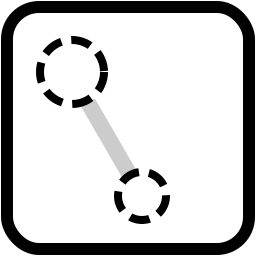 outer
outer
메타데이터
특정 경계가 place=* 노드와 대응하는 경우, 해당 노드를 경계(boundary) 관계로 묶어 place=* 노드를
여느 지물과 마찬가지로 한 번 추가한 경계라면 날짜와 출처, 저작권을 밝혀야 합니다. 특정 테두리 부분에 한하여 출처를 활용했다면 전체 경계 관계가 아니라 그 구간의 길(way)에 한하여 source=* 태그를 달 수도 있습니다 (예전에는 관계의 name=* 태그에도 시작일과 종료일을 지정하는 것이 관행이었지만, 현재는 start_date=*와 end_date=*를 별도로 달아주기에 권장되지 않습니다).
영토 변화
세월이 흐르면서 경계가 변화했다면, 경계가 진화하는 각 단계마다 경계 관계를 생성하세요. 그런 다음 이 관계들을 type=chronology 관계 (이하 '연대 관계')로 묶어 하나로 연결해야 합니다. 일례로 산마리노의 연대 관계는 건국 시점부터 현재까지 총 다섯 개의 경계 관계를 하위 관계로 두고 있습니다 (과거에는 이 상위관계에도 type=boundary를 태그하고 구성관계에는
경계의 일부가 변경되지 않은 상태로 남아 있다면, 그 경계는 여러 관계의 구성원으로 잡히게 됩니다. 단일한 place=* 노드 역시 여러 관계에서 place=* 노드를 공유할 필요는 없습니다. 예를 들어 미국의 도시 산호세의 연대 관계에는 총 1,172개의 경계가 구성원으로 잡혀 있지만, 이들이 공유하는 라벨은 총 9개에 불과하며, 도시 규모에 따라 태그가 place=town에서 place=city로 바뀌고 홍수 때문에 중심지가 강변에서 물러나는 모습만 반영하는 것으로 정리되었습니다.
영토 분쟁
영토 분쟁을 구현하는 과정에서 분쟁 지역을 나타내는 경계의 길(way)에 boundary=disputed 태그를 직접 매기는 경우가 있습니다. 그러나 이런 편집 방식은 분쟁 해결이 이뤄지고 나면 어떤 경계가 유효한지 구분이 어려워지게 됩니다. 그렇기 때문에 각 당사자의 영유권 주장에 맞춰 별도의 경계 관계를 생성하고, 그 관계에 boundary=disputed나 disputed=yes를 태그하고, 분쟁 해결 후의 경계선을 나타내는 관계를 다시 한번 추가해 주는 것이 대안이 될 수 있습니다.
To do: 불확정 경계는 어떻게 태그할까요?
오픈히스토리컬맵의 실험용 태그 논의
오픈히스토리컬맵의 편집자들은 아래의 태그를 자유롭게 사용하고 논의하면서 표준적인 작업방식을 찾아가고 있습니다. 여러분의 지도 제작 요건에 맞는 태그가 있는지 검토해 보시고, 직접 실험용 태그를 만들어 데이터를 입력해 주시기 바랍니다.
이름공간
A namespace can be used for experimental tagging. There are active usages in OSM where the ohm: namespace indicates tags that refer from OSM to OHM. In OHM, an experiment is being done describing military movements on the Antietam battlefield, and the experimental tags are placed in the ephem: (ephemeral) namespace. It would not be unreasonable to create a mil: or similarly named namespace for experiments. The principal reasons for doing this are to prevent collisions and make it easy to locate the tagged entities in a search.
데이터세트 가져오기 (제안)
Imports are encouraged on OHM, as opposed to OSM, where they are approached (wisely!) with caution. Imports on OHM, however, should be tagged appropriately in order to recover any potential changes to that data that may want to be harvested for possible improvements in the original dataset, or to properly handle citation requirements (e.g., in a CC-BY licensing of the imported dataset.
dataset=*(proposed) - this would help unify and tie together all related OSM objects for a particular import. This should be some sort of unique identifier to a particular source, data, and user driving the import. e.g. "Sea_His_Soc_2024_02_29_jeffmeyer" or maybe even something briefer.citation=*(proposed) - to enable on-map citation of the data source
옛 도로망 변화의 표현
Several different approaches have been experimented with.
- representing only road segments that no longer exist, leaving OSM to represent segments that are still present. this has some limitations, as there is not currently an accepted way to link across OHM and OSM and it is therefore hard to use the data. additionally, if relations are required to represent relationships and concepts, this approach does not work well.
- representing complete roads regardless of duplication of OSM. Duplication is unfortunate, but then if classifications have changed, such duplication is probably necessary. it makes building relations easier
if there are changes over time that do not change the geometry (classification, surfaces, etc.), several approaches have been suggested
- multiple ways sharing nodes, with different tagging/start & end dates on each individual way. may be challenging to edit
- a single way, with relations carrying the varying tags and dates. An example of this approach, contributed by Leon Karcher, is this way and set of relations: https://openhistoricalmap.org/way/198180780
군단의 전개와 정보의 표현
현재 Open Historical Map/Projects/American Civil War (미국 남북전쟁 프로젝트)에서 관련 논의가 진행 중에 있습니다.
제안된 태그
- start_date=datespec 'DEPRECATED'
- barrier=ohm:military:wireObstacle
- amenity=transport_service
- date_arbitrary=yes
- source_date=*,*,*
- Open Historical Map/Historical Time Format