Uk:Key:tunnel

 tunnel tunnel
|
 |
| Опис |
|---|
Тунель — підземна споруда, що використовується для доріг та т.і. 
|
| Група: Властивості |
| Застосовується до цих елементів |
    |
| Мається на увазі |
|
| Використовується разом з |
|
| Статус: де-факто |
| Інструменти |


Ключ tunnel=* використовується для доріг, залізниці, каналів, що проходять під поверхнею землі (через тунель).
На певних ділянках, де є перетин шляхів на різних рівнях, може викликати питання, чи позначати шлях, що проходить зверху як міст (bridge=*), або ж, позначити шлях, що проходить знизу, як тунель. Отже, якщо нижній шлях є довшим та оточений землею — то це безумовно тунель; якщо нижній шлях є коротшим за верхній та верхній шлях спирається на бетоні, цегляні чи металеві колони та балки — це міст. Існують, проте, ситуації, коли вирішення цього питання є особистим рішенням, коли потрібно надати перевагу тому як позначити нижній шлях, як тунель або верхній, як міст, але не обидва одночасно.
Якщо тунель відкритий з одного боку, часто на дорогах, що проходять під будинками, використовуйте теґ covered=* замість tunnel=*. Для доріг, що проходять по схилах доріг через інженерні конструкції, які призначені для захисту від лавин та зсуву ґрунту використовується теґ tunnel=avalanche_protector.
У місцях де вода маленького струмка, дренажна канава або навіть прохід для великої рогатої худоби проходять під дорогою чи іншими структурами треба використовувати теґ tunnel=culvert замість tunnel=yes, що використовується для великих тунелів по яких проходять дороги, залізниця чи канали.
Там де водні шляхи waterway=* проходять під землею на значну відстань, можна використовувати tunnel=flooded, особливо якщо повітропровід відсутній для безпечного доступу під час експлуатації, або для трубопроводів — man_made=pipeline.
Кабелі високовольтних мереж чи трубопроводи, power=cable та man_made=pipeline, відповідно, що проходять під землею не треба позначати як тунелі. В такому випадку їх можна додатково позначати теґами location=underground чи location=underwater.
Однак, якщо кабель або трубопровід розташовано всередині призначеного для цього тунелю, їх можна позначити тегом tunnel=yes. Такі спеціальні інженерні тунелі іноді зустрічаються у великих містах.
Як позначати

- Розділіть лінію в місцях де починається та закінчується тунель та додайте теґ tunnel=*. Краще уникати випадків, коли тунель продовжується до перехрестя, що не знаходиться в тунелі, а розділити шлях перед перехрестям.
- Більшості тунелів потрібно додавати теґ layer=-1 або інше відповідне від’ємне значення (за винятком:tunnel=building_passage). Для метро/підземок чи інших довгих шляхів часто більш доречно використовувати layer=-2, щоби мати проміжний рівень для розміщення підземних переходів, що знаходяться між підземкою та поверхнею.
- Там де тунель виходить на поверхню і проходить по виїмці потрібно використовувати cutting=yes. Зауважте, що теґ layer=* не використовується для виїмок та насипів, тільки якщо вони не знаходяться на різних рівнях, які потрібно відрізняти.
tunnel=building_passage не повинен типово мати позначення рівня, бо буде незрозуміло де він знаходиться над чи під будівлею, але зазначення рівня може бути потрібне, для відокремлення проїздів в будівлях, що знаходяться на різних рівнях один порівняно з іншим.
Також корисно додавати теґи maxheight=* та maxwidth=*, для зазначення обмежень на висоту та ширину, а також використовувати теґ access=* — зазначення обмежень доступу за типами траспортних засобів чи користувачів.
Якщо тунель має назву, вона зазначається за допомогою теґу tunnel:name=*, але все ще точаться дебати, як краще позначити назву тунелю і відокремити її від назви дороги/залізниці, що проходить через нього.
lit=* може використовуватись, щоб додати інформацію про наявність чи відсутність освітлення в тунелі.
Значення
Наступні значення використовуються в OpenStreetMap відповідно до класифікації, вище:
Крім того, для водних шляхів використовуються такі значення:
Візуалізація
На Стандартному шарі показуються tunnel=yes, tunnel=building_passage, та covered=yes.
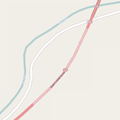
OSM Carto показує тунелі на шляхах пунктирним контуром і більш світлим кольором дороги і півколами на входах виходах.


Дивіться також
- covered=*
- highway=corridor
- Proposed features/building passage - accepted proposal
- Relations/Proposed/Bridges and Tunnels - group multiple tunnel elements with a relation
- Proposed features/man made=tunnel - simple way of indicating the outline of a tunnel and grouping together all features for that tunnel