Ko:OpenRailwayMap/Tagging

원문을 수정하지 않고 이 번역문을 성급히 수정하는 것은 삼가주시고, 세계 커뮤니티 또는 이 사이트에 도움을 요청하세요.
이 페이지는 OpenRailwayMap 태그 방식을 설명합니다.
아래의 태그 방식은 국제적으로 적용할 수 있도록 하기 위해 범용적인 내용으로 유지되고 있습니다. 각 국가별 자세한 내용에서 여기에 설명된 내용을 포함하여 더 많은 정보를 확인할 수 있습니다. (신호, 운영 방식)
많은 태그는 기본값이 있습니다. 태그가 설정되지 않은 경우 데이터 사용자들은 그 값들을 사용할 수 있습니다. 이 경우 소프트웨어는 기본값이 올바른 값임을 예상합니다. 만약 태그의 값이 기본값과 같다면, 소프트웨어가 자동으로 올바른 값을 선택하게 되므로 그 태그를 입력할 필요가 없습니다. 그럼에도 당신은 그러한 값이 의도되었음을 드러냄과 동시에 다른 애플리케이션에서의 충돌을 방지하기 위해 태그를 입력할 수 있습니다.
태그 방식
시설물
선로
 각 선로는 별개의 대상으로 취급됩니다. 그러므로 복선 철도의 경우 2개의 선으로 그려져야 합니다. OpenRailwayMap에서는 각각의 선이 하나의 선로로 간주되므로
 tracks=*와 같은 태그는 해석되지 않습니다.
| 키 | 값 | 속성 | 설명 | 기본값 |
|---|---|---|---|---|
railway |
rail |
(사용 중인) 선로 | 일반적으로 사용 중인 선로. | |
proposed |
계획된 선로 | 아직 설계 단계에 있는 계획 중인 선로입니다. (착공 전) | ||
construction |
공사 중인 선로 | 더 자세한 설명을 위해 construction=*가 사용될 수 있습니다. railway=construction 또는 construction=narrow_gauge처럼 railway=*에 주로 부여되는 값을 가집니다.
| ||
disused |
사용되지 않는 선로 | 선로가 보존되어 있지만 (눈으로 식별 가능) 더 이상 사용하지 않고 잡초가 자라 있을 수도 있습니다. | ||
abandoned |
폐지된 선로 | 선로에 더 이상 선로나 신호장비가 남아 있지 않지만, 철도의 흔적 (혹은 노반)이 아직 보이는 경우 사용합니다. 이 흔적은 둑, 절토, 다리 혹은 터널을 포함할 수 있습니다. | ||
razed |
새로 지어진 선로 | 철도가 새로 지어진 위치의 기존 선로를 나타냅니다. 몇몇 흔적이 아직도 보일 수 있지만, 이전의 선로는 대부분 교육된 추정이 필요합니다. 흔적도 없이 철거된 철도를 표시하는 것은 OpenStreetMap이 아니라 OpenHistoricalMap에서 행해져야 합니다. | ||
narrow_gauge |
협궤 선로 | 해당 국가에서 보편적인 수준보다 좁은 궤간을 가진 선로입니다. 궤간은 gauge=*를 사용하여 밀리미터 단위로 정의할 수 있습니다. 듀얼게이지 선로인 경우, gauge=*를 세미콜론으로 구분하여 둘 다 명시하는 방법으로 (예: 1435;1000) railway=rail를 사용할 수 있습니다.
| ||
light_rail |
경전철 | 경전철 및 트램과 유사한 지하철도입니다.
이 태그에는 연료 체계가 다른 (보통은 전기, 간혹 디젤) 중전철도 해당할 수 있습니다. 또한 경전철용 신호 장비 및 고유한 편성을 가지고 있습니다. 이 태그는 보통 독립적인 통행권을 보장받으며, 드물게 도로와의 건널목이 설치되어 있기도 합니다. 하지만, 고밀도의 도심에서는 | ||
subway |
지하철 | 보통 제3궤조집전방식을 이용하는 대도시의 지하철도입니다. 고유한 차량과 신호 체계를 가지고 있습니다. 가끔은 지상으로 올라오거나 고가로 주행하는 경우도 있습니다. 부분적으로 지하로 들어가는 일반철도의 경우 이 태그로 표시하지 마세요! (대신 layer=* 태그의 값을 -1 이하로 입력하고 tunnel=yes를 사용하세요) 지하철은 주로 중전철로 간주되며 경전철과는 항상 구분됩니다.
| ||
tram |
노면전차(트램) | 대부분 도로상에 놓인 선로입니다. 자동차가 트램과 차로를 공유하는 경우가 흔합니다. 트램과 유사한 몇몇 특수한 철도는 이 태그로도 표시될 수 있습니다. 대부분의 트램 선로는 지하로도 들어갈 수 있습니다. (layer=* 태그의 값을 -1 이하로 입력하고 tunnel=yes를 사용하세요) 몇몇 트램 경로의 경우 일반철도 선로를 이용할 수도 있습니다. 이 경우 일반 선로(railway=rail)로 표시되어야 합니다.
| ||
miniature |
미니어쳐 철도 | 공원에 있는 관광용 또는 레저용의 작은 철도로, 대부분 600mm 이내의 협궤입니다. 이는 보통 일반 철도의 크기를 축소한 것이며, 예를 들어 "1:4 축소 미니어처 선로"와 같습니다. | ||
name |
<노선명> | 선로의 노선 이름 | 선로의 노선 이름입니다. (예:경부본선) 이 태그는 올바른 이름을 입력할 때에만 사용해야 합니다. 3호선-4호선 연결선로나 일반열차 승강장과 같은 설명을 입력하지 않아야 합니다. Names#Name is the name only을 참고하세요. |
|
description |
<노선 설명> | 선로의 노선 설명 | 이름보다는 더 서술적인 내용을 적는 태그입니다. (Names#Name is the name only 참고). 예: 3호선-4호선 연결선로 또는 일반열차 승강장. |
|
ref |
<노선 번호> | 철도 노선 번호 | 선로가 속한 철도 노선의 참고 번호입니다. | |
railway:track_ref |
<선로 번호> | 선로 번호 | 역 구내의 선로 번호입니다. 한국에서는 승강장 번호와 다른 번호가 부여되는 경우도 있습니다. | |
railway:track_capacity
|
<숫자> | 유효장의 길이 | 미터 단위의 유효장 길이입니다. 주로 차량접촉한계표 사이의 거리입니다. 선로가 허용할 수 있는 열차의 최대 길이를 이해해야 합니다. | |
railway:track_capacity_cars
|
<숫자> | 차장률 | railway:track_capacity=*와 같지만 량(열차의 칸수) 단위로 표시됩니다. 유효장이 수용할 수 있는 량수를 나타냅니다. 대한민국에서는 14m를 1량으로 환산합니다.
|
|
historic |
railway |
역사적 철도 | 태그 railway=disused, railway=abandoned, railway=razed와 함께 쓰여야 합니다. |
|
railway:preserved |
yes/no |
보존된 선로 | 유적의 철도 또는 역사적인 상태(차량, 건물, 신호)를 유지하기 위해 운영되는 철도의 선로입니다. 보통 (반드시는 아님) 몇몇 선로는 역사적인 열차나 복원된 열차를 이용한 일반적인 대중교통 노선이 있음에도 관광의 목적으로 철도박물관에 의해 운영됩니다 (샌디에고 트롤리 Silver Line(위키백과), 샌프란시스코 MUNI의 E Embarcadero(위키백과), F Market & Wharves(위키백과) 등). 이 태그는 railway=preserved 태그를 대체합니다. (OpenRailwayMap/Aktiventreffen 2014 2#museumsbahnen 참고). |
no
|
usage |
경고: 역 구내에서 usage=* 키는 본선에만 사용하세요. (부본선, 측선 등은 미사용). 역 바깥의 건넘선이나 대피선도 마찬가지로 항상 이 태그는 본선에만 사용하세요. 예외에 따라, usage=industrial과 usage=military는 측선 및 부본선, 항구나 광산 등 산업 지역에서의 건넘선에 사용 가능합니다.
| |||
main |
간선 철도 | 간선 철도는, 대부분 복선화 및 전철화가 되어 있습니다. 최고속도가 높고 통행량이 많은 선로에 이 태그를 사용하세요. 철도 건널목은 대부분 입체화되어 있습니다. 북아메리카에서는, 매우 긴 거리를 오가는 단선 비전철도 포함할 수 있습니다. | ||
branch |
지선 철도 | 지선 철도는, 대부분 단선 비전철이며 최고속도가 낮습니다. 철도 건널목 역시 평면교차 형태입니다. 하지만 이러한 물리적 형태는 국가에 따라 다를 수 있습니다. | ||
industrial |
산업용 철도 | 화물 운송에만 사용되는 노선입니다. 대형 항구나 산업 구역에서 발견됩니다. 종종 산업체가 소유하고 있고, 가끔은 철도회사가 소유하고 있습니다. 예외에 따라, usage=industrial는 측선 및 부본선, 항구나 광산 등 산업 지역에서의 건넘선에 사용 가능합니다. 북아메리카 지역에서의 태그 사용량 증가와 함께, usage=industrial는 주로 혹은 독점적으로 화물 운송에 사용되는 노선임을 나타내는 데 쓰입니다. 특히, 꼭 항구, 광산, 목재 하치장이 아니어도 산업 구역으로의 인입선에도 쓰입니다. 이들은 (종종 도시) 산업 지역의 인입선을 따라 공장이나 산업 활동의 클러스터에 서비스를 제공할 수 있습니다.
| ||
military |
군사용 철도 | 군사적 목적으로 사용되는 선로입니다. 보통 철도역과 군수 보급창 사이를 연결하지만 군사 기지로 들어가는 인입선도 있습니다. | ||
tourism |
주로 혹은 독점적인 관광철도 | 주로 특정 시즌의 유람객에 의해 사용되는 선로입니다. 가끔 역사적인 열차를 이용해 박물관에서 운영되기도 합니다. 지역 교통 네트워크에서는 아주 드물게 한 부분을 이룹니다. | ||
test |
시험용 철도 | 새로운 차량, 차륜, 선로 혹은 기술을 시험하는 용도로 사용되는 선로입니다. | ||
scientific |
관측소나 발사장에서의 독립된 궤도 | 북아메리카에서는, 대형 관측소나(Karl G. Jansky Very Large Array) 우주선 발사장(Kennedy Space Center)의 선로로 쓰입니다. | ||
highspeed |
yes/no |
고속철 선로 | 해당 선로가 고속철 전용선인지를 나타냅니다. (선로최고속도가 200km/h 이상) 이러한 선로들은 콘크리트 도상/침목 선로이고 철도 건널목이 없을 것입니다. 대부분의 열차는 장거리 여객열차이며, 주로 고속열차입니다. | no
|
railway:tilting |
yes/no |
틸팅 | 선로가 틸팅열차용으로 설계되었는지를 나타냅니다. (곡선구간을 고속으로 통과하기 위해 사용) | no
|
railway:gnt
|
yes/no
|
틸팅 시스템 | ||
lit |
yes/no |
조명 | 선로를 밝히는 조명이 설치되어 있나요? | no
|
electrified |
yes |
전철화 - 방식 미상 | 이 태그는 전철화의 방식을 알 수 없을 때 사용됩니다. 기여자 여러분은 항공 사진이나 기타 수단으로 전철화 방식을 확인할 수 있다면 electrified=contact_line, rail, 4th_rail 또는 ground-level_power_supply를 사용해야 합니다. | |
no |
비전철화 | 비전철화 선로에 사용합니다. | ||
contact_line |
가공전차선 | 가공전차선으로 전철화된 선로 (OCL/OCS/OLE) | ||
4th_rail
|
제4궤조집전식 | 제4궤조집전식을 사용하는 전철선에 사용합니다. (다른 하나의 선로로 마찰류가 되돌아오는 2개의 추가 레일이 절연체 상에 있고 차량 좌우에 집전 슈가 부착되는 방식) | ||
rail |
제3궤조집전식 | 제4궤조집전식을 사용하는 전철선에 사용합니다. (절연체 상에 마찰류가 되돌아오는 하나의 추가 레일이 있고 차량 측면에 달린 집전 슈를 사용하는 방식) | ||
ground-level_power_supply |
유도집전방식 | ground-level power supply 방식으로 전철화된 선로입니다. | ||
electrified:rail |
top/side/bottom |
제3궤조의 집전방식 | 제3궤조의 집전 방식입니다. (상면/하면/측면 접촉식) | |
abandoned:electrified |
yes |
비전철화됨 | 전철화가 되어 있었으나 제거된 선로에 쓰입니다. | |
contact_line |
가공전차선 | 카테너리/가공전차선을 사용하던 선로에 쓰입니다. | ||
rail |
제3/제4궤조집전식 | 제3궤조 또는 제4궤조집전식을 사용하던 선로에 쓰입니다. | ||
deelectrified |
<electrified와 같음> | 비전철화됨 | 과거에 전철화되어 있었으나, 제거된 선로에 쓰입니다. 이 태그의 사용은 권장되지 않습니다. abandoned:frequency=*, abandoned:voltage=*과 함께 abandoned:electrified=* 태그를 대신 사용하세요. |
|
voltage |
<볼트 단위의 전압> | 전압 | 전철화 시스템의 전압을 나타냅니다. Current systems(위키백과) | |
frequency |
<Hz(헤르츠) 단위의 주파수> | 주파수 | 전철의 주파수를 나타냅니다. 직류전철의 경우 frequency=0를 사용하세요. 자세한 내용 |
0
|
railway:maximum_current
|
<A(암페어) 단위 전류> | 전류 | 시설물 관리자가 정의한 전철화 시스템에서 흐를 수 있는 전류량의 최대값을 나타냅니다. | |
gauge |
<mm(밀리미터) 단위의 숫자> | 궤간 | 선로의 레일 간격을 나타냅니다. 한국에서는 대부분 1435mm이므로 gauge=1435로 태그됩니다. 궤간(위키백과) |
1435
|
embedded |
yes |
매립형 철도궤도 | 매립된 선로에 사용합니다. 이는 보통 철도건널목에 사용되지만, 병용궤도, 매립형 철도궤도 시스템 등에서도 볼 수 있습니다. | |
pavement |
도상에 매립된 선로 | 레일 사이의 공간과 양 끝이 같은 포장재로 되어 있는 선로입니다. | ||
metal |
금속 덮개로 매립된 선로 | 레일 사이의 공간과 양 끝이 금속으로 덮여 있는 선로입니다. | ||
wood |
목재에 매립된 선로 | 레일 사이의 공간과 양 끝이 나무판자로 덮여 있거나 메워져 있는 선로입니다. 나무가 썩기 때문에 대부분 다른 소재로 대체되는 오래된 방법입니다. | ||
plastic |
플라스틱에 매립된 선로 | 레일 사이의 공간과 양 끝이 플라스틱으로 덮여 있거나 메워져 있는 선로입니다. | ||
railway:rail |
jointed/continuous |
레일의 연결 | 레일의 물리적 유형을 나타냅니다. 이음매를 통해 이어진 정척레일(jointed)이나 이음매를 용접하여 하나의 레일로 만든 수백 미터 길이의 장대레일(continuous)이 있습니다. |
|
railway:track_class
|
<선로 등급> | 선로 등급 | 선로가 해당하는 선로 등급을 나타냅니다. 미국과 캐나다에서는 선로의 품질과 최고속도를 나타내기 위해 사용되며, 유럽에서는 EN15528에 근거하여 선로의 축중과 등분포하중을 나타내기 위해 사용됩니다. 한국에서는 '철도의 건설기준에 관한 규정'에서 선로의 등급을 고속선, 1~4등급으로 분류하였으나, 2009년 8월부로 폐지되었습니다. | |
loading_gauge |
<차량한계> | 차량한계 | 차량한계(철도차량의 최대 크기)의 수치를 나타냅니다. 차량한계(위키백과)를 참고하세요. 이 태그는 structure_gauge=*를 대체합니다. |
|
metre_load |
<최대하중(톤)> | 미터당 최대 하중 | 1미터당 허용된 철도차량의 최대 중량입니다. (미터법 톤 단위를 사용) 이 태그는 "re"로 끝나는 영국식 철자법을 사용함에 유의하세요. | |
axle_load |
<최대축중(톤)> | 최대 축중 | 허용되는 최대 축하중을 미터법 톤 단위로 나타냅니다. | |
railway:ballastless |
yes/no |
콘크리트 도상 | 도상에 자갈이 없는지의 여부 (도상이 콘크리트인지의 여부) | no
|
rack |
yes/no |
치상궤도(위키백과) | 선로에 치상궤도(랙식 철도)가 설치되었는지의 여부. 톱니가 맞물리도록 만들어진 랙 레일을 사용합니다. | no
|
riggenbach |
리겐바흐(Riggenbach)식(위키백과) | 사용되는 치상궤도의 방식이 리겐바흐식인 경우. 사다리 모양의 랙 레일을 사용합니다. | ||
strub |
스트루브(Strub)식(위키백과) | 사용되는 치상궤도의 방식이 스트루브식인 경우. 1개의 랙 레일을 사용합니다. | ||
abt |
아프트(Abt)식(위키백과) | 사용되는 치상궤도의 방식이 아프트식인 경우. 2~3개의 랙 레일을 홈끼리 엇갈리도록 나란히 설치하는 방식으로, 대부분의 치상궤도에서 사용되고 있습니다. | ||
locher |
로허(Locher)식(위키백과) | 사용되는 치상궤도의 방식이 로허식인 경우. 양쪽에 횡방향의 홈이 있는 랙 레일을 사용합니다. | ||
riggenbach-klose |
리겐바흐-클로제식 | 사용되는 치상궤도의 방식이 리겐바흐-클로제식인 경우. | ||
marsh |
마쉬식(Marsh)(위키백과) | 사용되는 치상궤도의 방식이 마쉬식인 경우. | ||
von_roll |
폰 롤(Von Roll)식(위키백과) | 사용되는 치상궤도의 방식이 라멜라식(폰 롤식으로도 알려짐)인 경우. | ||
railway:traffic_mode |
mixed |
여객/화물 혼용 | 여객용 및 화물용으로 함께 사용되는 선로입니다. | mixed
|
passenger |
여객용 | 여객철도로만 사용되는 선로입니다. (심야 시간대에만 화물 운송에 사용하는 등 예외가 있을 수 있습니다) | ||
freight |
화물용 | 화물철도로만 사용되는 선로입니다. (예외가 있을 수 있습니다) | ||
railway:freight |
목재/화학/자동차/철강/석탄/기타 값 | 운송되는 화물의 종류 | 선로에서 운송되는 화물의 종류를 나타냅니다. 이 태그는 산업단지로의 인입선이나 발전소 등을 연결하는 지선에 유용합니다. 이 태그는 모든 종류의 화물이 운송되는 화물 철도에(보통은 간선 철도) 사용되어서는 안 됩니다. 값이 여러개인 경우 ;로 구분하여 작성합니다. | |
maxspeed |
<최고 속도> | 최고 속도 | 해당 선로구간에서 허용되는 최고 속도를 나타냅니다. 킬로미터 단위가 아니라면 "10 mph"처럼 한 칸 띄우고 단위를 명시합니다. 제한 속도가 여럿인 경우 가장 높은 속도로 태그합니다. 방향별 속도는 maxspeed:forward=*와 maxspeed:backward=*로 나타낼 수 있습니다.
|
|
maxspeed:tilting |
<허용 속도> | 틸팅열차의 허용 속도 | 틸팅열차의 허용된 최고속도를 나타냅니다. 주로 더 높은 최고속도가 허용되는 곡선 구간에서 사용됩니다. 만약 주/야간, 풍속 등 다른 조건에 영향을 받는다면, 가장 높을 때의 속도를 입력합니다. 방향별 속도는 maxspeed:tilting:forward=*와 maxspeed:tilting:backward=*로 나타낼 수 있습니다.
|
|
service |
경고: 본선이 아닌 모든 선로에(부본선, 측선, 건넘선, 인입선 등) service=* 태그를 적용하세요.
| |||
yard |
측선 | 보통 정거장에 있으며, 철도 회사가 입환(조차) 작업에 사용하는 선로입니다. 대부분은 번호가 부여되어 있습니다. (railway:track_ref=*를 사용) |
||
siding |
부본선 | 본선과 평행하게 부설되어 보통 정거장에 있으며, 추월 시 사용됩니다. 종종 옆에 승강장이 있기도 합니다. 본선은 service=* 태그를 사용하지 않아야 합니다.
| ||
spur |
인입선 | 철도 노선으로부터 갈라져 산업체로 진입하는 (보통은) 짧은 선로입니다. 더 복잡한 인입선 구조가 있는 경우, service=* 키의 다른 태그를 사용하는 것도 고민해 보세요.
| ||
crossover |
건넘선 | 한 본선에서 다른 선로로 넘어갈 때 쓰이는 짧은 선로입니다. 복선 이상의 선로 수를 가진 경우에만 발견됩니다. 보통은 정거장에서 보입니다. | ||
railway:radio |
analogue/gsm-r/lte-r | 철도 무선통신망 | 해당 노선에 사용 중인 철도 무선통신망의 방식 | gsm-r |
operator |
<운영사명> | 운영사 | 선로의 운영사명(운송 서비스가 아닌 시설물). | |
embankment |
yes/no |
성토 | 흙(성토)이나 콘크리트 댐으로 선로를 높였는지를 나타냅니다. | no
|
cutting |
yes/no |
절토 | 지형을 아래로 파서 선로를 설치했는지를 나타냅니다. | no
|
railway:preferred_direction |
경고: OSM상의 선 방향은 중요합니다. 이 태그는 길찾기에 영향을 주며, 소프트웨어는 이 태그로 복선 이상의 철도에서 어떤 선로가 선호되는지를 판단합니다. 정거장에서는 특별히 중요하지는 않습니다. (허용된 통행방향이 변경될 수 있음) | |||
forward |
일반적인 통행 방향이 OSM의 선 방향과 같음 | 일반적인 통행 방향이 OSM의 선 방향과 같습니다. (단선철도를 제외함) | ||
backward |
일반적인 통행 방향이 OSM의 선 방향과 다름 | 일반적인 통행 방향이 OSM의 선 방향과 반대입니다. (단선철도를 제외함) | ||
both |
선호되는 방향 없음 | 선호되는 통행 방향이 없습니다. 이 선로에서는 열차가 양 방향으로 모두 다닙니다. 이 태그는 단선 철도에 사용됩니다. 양 방향 모두 통행하는 복선 이상의 철도는 railway:preferred_direction=* 또는 railway:preferred_direction=*로 태그합니다.
| ||
railway:bidirectional |
경고: 경고: OSM상의 선 방향은 중요합니다. 이 태그는 길찾기에 영향을 주며, 이 선로에서 원하는 방향으로 진행할 수 있는지를 파악하게 해 줍니다. 정거장에서는 특별히 중요하지는 않습니다. (허용된 통행방향이 변경될 수 있음) | |||
regular |
일반적인 양방향 운영(단선병렬) | 선로에는 양방향으로 신호장비가 설치되어 있고 양방향 모두 열차가 통행할 수 있습니다. | ||
signals |
신호상으로의 단방향 운영 | 복선 이상의 철도에서 각 선로는 한 방향으로의 신호장비만이 설치되어 있습니다. 보통 열차는 "역주행"을 하지 않습니다. 공사와 같은 특수한 상황에서만 열차는 반대 방향 선로로 "역주행"이 가능합니다. | ||
possible |
역방향 주행 가능 | 복선 이상의 철도에서 각 선로는 한 방향으로의 신호장비만 설치되어 있으며, 신호장비는 "역주행"을 절대 허용하지 않으며 선로를 폐쇄한 후에만 역주행이 가능합니다. | ||
start_date |
<일자> | 준공 일자 | 선로가 영업을 개시한 일자를 입력합니다. 값의 형식에 대해서는 start_date=*를 참고하세요. |
|
end_date |
<일자> | 폐쇄 일자 | 선로가 폐지된 일자를 입력합니다. 값의 형식에 대해서는 start_date=*를 참고하세요. |
|
incline |
up/down/<경사도> |
경사 | 선로의 경사를 선의 방향을 기준으로 하여 나타냅니다. 이 태그의 값에는 수치 또는 up/down을 사용할 수 있습니다. 자세한 정보는 incline=*를 참고하세요. |
|
railway:interlaced |
yes/no |
단복선 선로 | 이 선로는 단복선(위키백과) 철도의 선로임을 나타냅니다. 단복선을 구성하는 각각의 선로를 독립적인 OSM상의 선으로 나타내 주세요. | no
|
railway:passing_prohibited |
left/right/yes/both/no |
추월 금지 | 이 구간에서는 선로 사이 공간이 충분하지 않거나 단복선 철도이기 때문에 왼쪽/오른쪽/둘 다/아무 방향에 있는 다른 열차를 추월하지 말아야 함을 나타냅니다. | no
|
workrules |
작업 규칙 | 해당 선로에 적용되는 작업 규칙(주로 법률)을 나타냅니다. 가능한 값으로는 workrules=*를 참고하세요. |
||
철도 보안장비

철도보안장비는 각 선로의 속성으로써 표시됩니다. 다음의 어려움을 고려하시기 바랍니다:
- 철도보안장비는 국가에 따라 다를 수 있습니다.
- 철도보안장비는 국가 내에서도 다를 수 있습니다.
- 하나의 선로에 여러 철도보안장비가 존재할 수 있습니다.
- 하나의 철도보안장비에 다양한 버전/레벨이 존재할 수 있습니다.
| 키 | 값 | 속성 | 설명 | 기본값 |
|---|---|---|---|---|
railway:acses
|
yes/no
|
Advanced Civil Speed Enforcement System | 선로에 북미의 철도보안장비인 첨단민간속도단속시스템(ACSES)(위키백과)이 설치되었는지의 여부. | no
|
railway:als,
|
yes/no
|
Aвтоматическая Локомотивная Cигнализация | 선로에 러시아의 철도보안장비인 기관차자동경보장치(ALS)가 설치되었는지의 여부
선로에 러시아의 연속적 철도보안장비인 ALSN(위키백과)가 설치되었는지의 여부 선로에 비연속적 철도보안장비인 ALST가 설치되었는지의 여부 선로에 등화가 없는 철도보안장비인 ALSO가 설치되었는지의 여부 선로에 고속선용 철도보안장비인 ALS-EN가 설치되었는지의 여부 선로에 무선기반 철도보안장비인 ALSR가 설치되었는지의 여부 선로에 철도보안장비인 ALS의 파생형이 설치되었는지의 여부 (지하철에 사용됨) |
no
|
railway:ases
|
yes/no
|
Advanced Speed Enforcement System (ASES) | 선로에 북미의 Ansaldo STS USA사의 첨단속도단속시스템(ASES)이 설치되었는지의 여부 | no
|
railway:asfa,
|
yes/no
|
Anuncio de Señales y Frenado Automático | 선로에 스페인의 철도보안장비의 일반 버전인 신호통보자동제동장치(ASFA)(위키백과)가 설치되었는지의 여부 (최고 160km/h).
선로에 카탈루냐 지방의 미연결된 노선에서 사용되는 ASFA 시스템이 설치되었는지의 여부 선로에 200km/h 주행이 가능한 버전의 ASFA가 설치되어 있는지의 여부. ASFA Digital이 선로 시스템을 바꾸지 않음에 유의하세요. |
no
|
railway:atacs
|
yes/no
|
Advanced Train Administration and
Communications System |
선로에 일본의 철도보안장비인 Advanced Train Administration and Communications System(ATACS)가 설치되어 있는지의 여부. | no
|
railway:atb,
|
yes/no
|
Automatische
Trein Beïnvloeding |
선로에 네덜란드의 철도보안장비인 열차자동제어장치(ATB)(위키백과)가 설치되어 있는지의 여부.
선로에 네덜란드의 1세대 철도보안장비인 ATB가 설치되어 있는지의 여부. 선로에 네덜란드의 차세대 철도보안장비인 ATB가 설치되어 있는지의 여부. 선로에 저속에서의 방호를 보장하기 위한 추가 비콘을 장착한 ATB가 설치되어 있는지의 여부. |
no
|
railway:atc
|
yes/no/CS/new-CS/D/DS/NS/keio/KS/P/TD/WS
|
Automatic Train Control (ATC) | 선로에 철도보안장비인 열차자동제어장치(ATC)(위키백과)가 설치되어 있는지의 여부. 만약 그렇다면 구체적인 유형을 나타낼 수 있습니다. | no
|
railway:atms
|
yes/no
|
Advanced Train Management System | 선로에 호주의 철도보안장비인 첨단열차관리시스템(ATMS)(위키백과)이 설치되어 있는지의 여부. | no
|
railway:atp
|
yes/no
|
Automatic Train Protection (ATP) | 선로에 영국식 열차자동방호장치(ATP)(위키백과)가 설치되어 있는지의 여부.
태그 |
no
|
railway:atp3b
|
yes/no
|
Трёхзначная автоблокировка | 선로에 철도보안장비인 3폐색열차제어시스템(ATP3B)(위키백과)이 설치되어 있는지의 여부. (구소련 국가에서 사용) | no
|
railway:atp4b
|
yes/no
|
Четырёхзначная автоблокировка | 선로에 철도보안장비인 4폐색열차제어시스템(ATP4B)(위키백과)이 설치되었는지의 여부 (구소련 국가에서 사용) | no
|
railway:ats
|
yes/no/B/Dx/S/S1/S2/Sx/P/Ps
|
Automatic Train Stop (ATS) | 선로에 철도보안장비인 열차자동정지장치(ATS)(위키백과)가 설치되어 있는지의 여부. 만약 그렇다면 시스템의 종류를 명시할 수 있습니다. | no
|
railway:aws
|
yes/no
|
Automatic Warning System (AWS) | 선로에 영국의 철도보안장비인 열차자동경고장치(AWS)(위키백과)가 설치되어 있는지의 여부. | no
|
railway:bm
|
yes/no/bmu/bmus/bmcv/bamu/bnmb/bmvu/bmvuse/blu/blus
|
Block Manuel | 선로에 프랑스의 철도보안장비인 Block Manuel(위키백과)이 설치되어 있는지의 여부. 만약 그렇다면 시스템의 종류를 명시할 수 있습니다. | no
|
railway:bal
|
yes/no
|
Block Automatique Lumineux | 선로에 프랑스의 철도보안장비인 Block Automatique Lumineux(위키백과)이 설치되어 있는지의 여부. | no
|
railway:bapr
|
yes/no
|
Block Automatique à Permissivité Restreinte | 선로에 프랑스의 철도보안장비인 Block Automatique à Permissivité Restreinte(위키백과)가 설치되어 있는지의 여부. | no
|
railway:caws
|
yes/no
|
Continuous Automatic Warning System | 선로에 아일랜드의 철도보안장비인 CAWS(위키백과)가 설치되어 있는지의 여부. | no
|
railway:cbtc
|
yes/no/il/rf
|
Communications-based Train Control(CBTC) | 선로에 철도보안장비인 무선기반열차제어시스템 (CBTC)(위키백과)가 설치되어 있는지의 여부. 자동운전(STO/DTO/UTO) 여부는 CBTC의 특성이 아니므로 railway:ato 키를 이용하세요. IL-CBTC와 RF-CBTC 중 어디에 해당하는지 알 수 있다면 구체적인 값을 입력할 수 있습니다.
|
no
|
railway:crocodile
|
yes/no
|
Crocodile | 선로에 벨기에, 프랑스, 룩셈부르크의 철도보안장비인 Crocodile(위키백과)이 설치되어 있는지의 여부. | no
|
railway:ctcs
|
0/1/2/3D/3/4/yes/no
|
中国列车控制系统 | 선로에 중국의 철도보안장비인 중국열차제어시스템 (CTCS)(위키백과)가 설치되어 있는지의 여부. 만약 그렇다면, CTCS 레벨도 명시될 수 있습니다. | no
|
railway:ebicab
|
700/900/yes/no
|
EBICAB | 선로에 봄바르디어사의 철도보안장비인 EBICAB(위키백과)가 설치되어 있는지의 여부. 만약 그렇다면, EBICAB 버전도 명시될 수 있습니다. | no
|
railway:etcs
|
1/2/yes/no
|
European Train Control System (ETCS) | 선로에 유럽의 철도보안장비인 유럽열차제어시스템 (ETCS)(위키백과)가 설치되어 있는지의 여부. 만약 그렇다면, ETCS 레벨도 명시될 수 있습니다. | no
|
railway:eevb
|
yes/no
|
Egyesített Éberségi és Vonatbefolyásoló Berendezés | 선로에 헝가리의 철도보안장비인 EÉVB(위키백과)가 설치되어 있는지의 여부. | no
|
railway:etms
|
yes/no
|
Electronic Train Management System (ETMS) | 선로에 북미 Wabtec사의 철도보안장비인 전자열차관리시스템(ETMS)이 설치되어 있는지의 여부. | no
|
railway:evm
|
yes/no
|
Elektronikus Vonatmegállító | 선로에 헝가리의 철도보안장비인 전자열차정지장치(EVM)(위키백과)가 설치되어 있는지의 여부. | no
|
railway:hkt
|
yes/no
|
HastighedsKontol og automatisk Togstop | 선로에 덴마크의 철도보안장비인 HKT(위키백과)가 설치되어 있는지의 여부.
선로에 철도보안장비인 HKT의 간소화 버전이 설치되어 있는지의 여부. |
no
|
railway:integra_signum
|
yes/no
|
Integra Signum | 선로에 스위스의 철도보안장비인 Integra Signum이 설치되어 있는지의 여부. | no
|
railway:itcs
|
yes/no
|
Incremental Train Control System (ITCS) | 선로에 북미 GE Transportation Systems의 철도보안장비인 Incremental Train Control System (ITCS)가 설치되어 있는지의 여부. | no
|
railway:jkv
|
yes/no
|
Junakulunvalvonta (JKV) | 선로에 핀란드의 철도보안장비인 JKV (ATP-VR/RHK라고도 알려짐)가 설치되어 있는지의 여부. (기술적으로 시스템은 EBICAB(위키백과)에 기반합니다) | no
|
railway:ktcs
|
yes/no/1/2/M
|
한국형 열차제어시스템 | 선로에 대한민국의 철도보안장비인 한국형 일반철도용 열차제어시스템(KTCS-1) 및 고속철도용 열차제어시스템(KTCS-2), |
no
|
railway:kvb
|
yes/no
|
Contrôle de Vitesse
par Balises |
선로에 프랑스의 철도보안장비인 KVB(위키백과)가 설치되어 있는지의 여부. | no
|
railway:ls
|
yes/no
|
Liniový Systém | 선로에 체코의 철도보안장비인 LS(위키백과)가 설치되어 있는지의 여부. | no
|
railway:lzb
|
yes/no
|
Linienförmige
Zugbeeinflussung |
선로에 독일의 철도보안장비인 선형열차제어(LZB)(위키백과)가 설치되어 있는지의 여부. | no
|
railway:nexteo
|
yes/no
|
Nouveau système d'EXploitation des Trains Est-Ouest | 선로에 프랑스의 철도보안장비인 NEXTEO(위키백과)가 설치되어 있는지의 여부. | no
|
railway:octys
|
yes/no
|
Open Control of Trains, Interchangeable & Integrated System | 선로에 프랑스의 철도보안장비인 OCTYS(위키백과)가 설치되어 있는지의 여부. | no
|
railway:ouragan
|
yes/no
|
Offre Urbaine Renouvelée et Améliorée, Gérée par un Automatisme Nouveau | 선로에 프랑스의 철도보안장비인 OURAGAN(위키백과)가 설치되어 있는지의 여부. | no
|
railway:ptc
|
yes/no
|
Positive Train Control (PTC) | 선로에 북미의 철도보안장비인 능동형 열차제어(PTC)(위키백과)가 설치되었는지의 여부. | no
|
railway:pzb
|
yes/no
|
Punktförmige
Zugbeeinflussung |
선로에 독일의 철도보안장비인 PZB(위키백과)가 설치되어 있는지의 여부. | no
|
railway:sacem
|
yes/no
|
Système d'Aide à la Conduite, à l'Exploitation et à la Maintenance | 선로에 프랑스의 철도보안장비인 SACEM(위키백과)가 설치되어 있는지의 여부. | no
|
railway:saet
|
yes/no
|
Système d'Automatisation de l'Exploitation des Trains | 선로에 프랑스의 철도보안장비인 SAET(위키백과)가 설치되어 있는지의 여부. | no
|
railway:scmt
|
yes/no
|
Sistema di Controllo della Marcia del Treno | 선로에 이탈리아의 철도보안장비인 SCMT(위키백과)가 설치되어 있는지의 여부. | no
|
railway:selcab
|
yes/no
|
SELCAB | 선로에 철도보안장비인 the Alcatel SELCAB이 설치되어 있는지의 여부. | no
|
railway:shp
|
yes/no
|
Samoczynne Hamowanie Pociągu | 선로에 폴란드의 철도보안장비인 SHP(위키백과)가 설치되어 있는지의 여부. | no
|
railway:ssc
|
yes/no
|
Sistema di Supporto alla Condotta | 선로에 이탈리아의 철도보안장비인 Sistema di supporto alla condotta SSC(위키백과)가 설치되어 있는지의 여부. | no
|
railway:tbl
|
yes/1/1+/2/no
|
Transmissie Baken-Lokomotief | 선로에 벨기에의 철도보안장비인 열차지상자신호(TBL) 1(위키백과), 열차지상자신호(TBL) 1+(위키백과) 또는 열차지상자신호(TBL) 2(위키백과)가 설치되어 있는지의 여부. 'yes' 또는 적용된 가장 높은 버전명을 입력하세요. | no
|
railway:tmacs
|
yes/no
|
Train Management and Control System | 선로에 호주의 철도보안장비인 열차관리제어시스템(TMACS)(위키백과)가 설치되어 있는지의 여부. | no
|
railway:tpws
|
yes/no
|
Train Protection & Warning System | 선로에 영국의 철도보안장비인 열차방호경고장치(TPWS)(위키백과)가 설치되어 있는지의 여부. | no
|
railway:tvm
|
300/430/yes/no
|
Transmission Voie-Machine | 선로에 프랑스의 철도보안장비인 궤도-열차간 전송 (TVM)(위키백과)가 설치되어 있는지의 여부. | no
|
railway:zbs
|
yes/no
|
Zugbeeinflussung S-Bahn Berlin | 선로에 베를린의 경전철 철도보안장비인 베를린 S반 열차제어장치(ZSB)(위키백과)가 설치되어 있는지의 여부. | no
|
railway:zsl90
|
yes/no
|
Zugsicherung mit Linienleiter 1990 | 선로에 철도보안장비인 ZSL 90(위키백과)이 설치되어 있는지의 여부. | no
|
railway:zsi127
|
yes/no
|
Trainguard ZSI 127 | 선로에 철도보안장비인 Trainguard ZSI 127(위키백과)이 설치되어 있는지의 여부. | no
|
railway:zub,
|
yes/no
|
Zugbeeinflussung | 선로에 철도보안장비인 any Siemens ZUB가 설치되어 있는지의 여부.
선로에 철도보안장비인 Siemens ZUB 121이 설치되어 있는지의 여부. 선로에 철도보안장비인 Siemens ZUB 122가 설치되어 있는지의 여부. 선로에 철도보안장비인 Siemens ZUB 123이 설치되어 있는지의 여부. 선로에 철도보안장비인 Siemens ZUB 222c가 설치되어 있는지의 여부. 선로에 철도보안장비인 Euro-ZUB가 사용되는지의 여부. ECTS로 태그해 주시기 바랍니다. |
no
|
railway:satp
|
yes/no
|
Полуавтоматическая блокировка | 선로에 반자동 철도보안장비인 Автоблокировка#Полуавтоматическая_блокировка Train Control System(위키백과)가 설치되어 있는지의 여부. (구소련 국가에서 사용) | no
|
그 외의 운전 보조 장비
아래의 항목은 신호보안장치는 아니지만 운전이나 관제를 돕기 위한 시스템들입니다. 대부분 자동운전이나 관제와 관련되어 있습니다.
| 키 | 값 | 속성 | 설명 | 기본값 |
|---|---|---|---|---|
railway:ato
|
yes/no/sto/dto/uto
|
Automatic Train Operation | 선로에 열차자동운전장치 ATO(위키백과)가 설치되어 있는지의 여부. 만약 그렇다면 자동운전의 정도를 명시할 수 있습니다. | no
|
railway:ctc
|
yes/no
|
Centralized Traffic Control | 선로에 열차집중제어장치 CTC(위키백과)가 설치되어 있는지의 여부. | no
|
railway:tasc
|
yes/no
|
定位置停止装置 (TASC) | 선로에 일본의 정위치정지장치 TASC(위키백과)가 설치되어 있는지의 여부. | no
|
교량
 선으로 태그될 수 있습니다. 교량 전체를 나타내기 위해 교량 관계에 추가할 수도 있습니다.
| 키 | 값 | 속성 | 설명 | 기본값 |
|---|---|---|---|---|
bridge |
yes/cantilever/covered/movable/trestle/viaduct |
교량 유형 | 선로를 떠받치고 있는 다리가 어떤 유형인지 나타냅니다. 다리 중앙부에 이동 가능한 부분이 있다면 그 부분의 선을 분리해서 교량 관계에 추가하는 것을 잊지 마세요. 정의된 유형이 없는 경우 bridge=yes를 사용하세요. |
no
|
bridge:movable |
bascule/lift/swing |
이동식 교량 유형 | 다리가 bridge=movable로 태그된 경우에만 이 태그를 사용하세요.
| |
layer |
<숫자> | 레이어 | 다른 교량이나 지물과의 수직적인 관계를 묘사하기 위한 속성입니다. | 1
|
bridge:name |
<다리 이름> | 교량 명칭 | 다리의 이름입니다. | |
image |
<URL> | 사진 | 교량의 사진 파일의 URL입니다. (가능하다면 위키미디어 커먼즈의 사진을 사용해야 합니다). 중요한 다리에만 사용하고 작은 다리(예:실개천을 건넘)에는 사용하지 마세요. 일반적으로 교량의 위키백과 문서가 존재하는 경우에 이미지를 첨부하는 것이 유용하다고 여겨집니다. | |
bridge:wikipedia |
<언어 코드>:<문서명> | 위키백과 문서 | 교량에 대한 위키백과 문서입니다. <언어 코드>:<문서명> 형식을 사용해 주세요. |
터널
| 키 | 값 | 속성 | 설명 | 기본값 |
|---|---|---|---|---|
tunnel |
yes |
터널 | 선로가 터널에 놓여 있음을 나타냅니다. | no
|
layer |
<레이어> | 레이어 | 다른 터널이나 지물과의 수직적인 관계를 묘사하기 위한 속성입니다. | -1
|
tunnel:name |
<터널 이름> | 터널 이름 | 터널의 이름입니다. | |
image |
<URL> | 이미지 | 터널의 사진 파일의 URL입니다. (가능하다면 위키미디어 커먼즈의 사진을 사용해야 합니다). | |
tunnel:wikipedia |
<언어 코드>:<문서명> | 위키백과 문서 | 위키백과 문서 about the tunnel. <언어 코드>:<문서명> 형식을 사용해 주세요. |
터널 관계를 사용하는 것도 가능합니다.
분기기
See main article Ko:Tag:railway=switch

 OpenStreetMap에서 선로 분기기는 두 선로의 연결 지점입니다. 다음의 태그에 의해 정의됩니다:
| 키 | 값 | 속성 | 설명 | 기본값 |
|---|---|---|---|---|
railway |
switch |
분기기 | 선로분기기를 나타내는 일반적인 태그입니다. 이 태그가 없다면 두 선로가 교차하는 지점은 평면교차 건널목이나 슬립 스위치로 간주될 수 있습니다. | |
ref |
<분기기> | 참고 | 선로분기기의 식별자/참고 번호입니다. 보통 이 번호는 분기기 드라이브나 등화에 적혀 있습니다. | |
railway:local_operated |
yes/no |
기계식 선로전환기 | 이 분기기의 선로전환기가 기계식인지(레버로 조작) 아니면 전기식인지(계전연동장치로 조작)를 나타냅니다. | no
|
railway:local_operated:lockable
|
yes/no
|
쇄정가능한 선로전환기 | 기계식 선로전환기가 하나의 상태로 쇄정(잠금)될 수 있는지를 나타냅니다. | no
|
railway:local_operated:home_position
|
yes/no
|
정위가 있는 쇄정가능한 선로전환기 | 기계식 선로전환기의 조작이 끝난 후, 복귀시켜 두는 정위(定位)가 존재함을 나타냅니다. | no
|
railway:switch:electric |
yes/no |
전기식 선로전환기 | 이 분기기의 선로전환기가 전기식으로 작동하는지를 나타냅니다. (몇몇 종류의 스위치 드라이브를 통하여) | yes
|
railway:radius |
<분기되는 선로의 곡선반경(m)> / clothoid |
분기되는 선로의 곡선반경을 나타냅니다. 만약 분기되는 선로가 클로소이드 곡선의 형태라면 "clothoid"를 사용하세요. 이렇게 곡선반경이 줄어드는 형태는 고속선 분기기에서 볼 수 있습니다. | ||
railway:maxspeed:straight |
<속도> | 직선 방향으로의 최고속도 | 직선 방향 선로에서 허용되는 최고 속도를 나타냅니다. 단위로 마일을 사용한다면 뒤에 mph를 붙여주세요. |
|
railway:maxspeed:diverging |
<속도> | 분기되는 선로에서의 최고속도 | 분기되는 방향의 선로에서 허용되는 최고 속도를 나타냅니다. (km/h) | |
railway:turnout_side |
left/right |
Side of turnout | 분기되는 선로가 어느 방향으로 분기되는지를 명시합니다. 삼지분기기, 양개분기기, 더블 슬립 스위치에서는 필요하지 않습니다. 내방분기기의 경우 더 작은 곡선반경의 선로를, 외방분기기의 경우 더 넓은 곡선반경의 선로를 분기되는 선로로 보고 방향을 판단합니다. 알 수 없는 경우 더 작은 반경의 선로를 분기되는 선로로 간주합니다. | |
railway:switch |
default |
편개분기기 | 직진 방향과 분기되는 방향으로 구성된 가장 일반적인 형태의 편개분기기를 나타냅니다. | default
|
three_way |
삼지분기기(위키백과) | 직진, 좌측, 우측의 3방향으로 분기되는 형태인 삼지분기기를 나타냅니다. | ||
single_slip |
싱글 슬립 스위치(위키백과) | 다이아몬드 크로싱과 분기기가 결합된 형태이지만 한 방향에서만 분기가 가능합니다. 다이아몬드 크로싱의 한 선로에서 직진하거나 분기할 수 있습니다. | ||
double_slip |
더블 슬립 스위치(위키백과) | 다이아몬드 크로싱과 분기기가 결합된 형태이지만 싱글 슬립 스위치와 달리 양 방향에서 모두 분기가 가능합니다. X자형 교차점의 어느 쪽 선로에서든 직진하거나 분기할 수 있습니다. | ||
wye |
양개분기기(위키백과) | 선로가 좌우 대칭으로(Y자 형태) 분기되는 양개분기기를 나타냅니다. | ||
abt |
Abt 분기기 | 푸니쿨라의 경우 차량이 교행할 수 있도록 만들어진 자동화된 분기기가 있습니다. | ||
curved
|
내방/외방분기기 | 곡선 구간에 설치된 분기기로, 정위와 반위 모두 곡선반경을 가지며 분기되는 선로의 방향에 따라 내방분기기와 외방분기기로 나뉩니다. | ||
railway:switch:curved
|
inside/outside
|
곡선 레이아웃
(내/외방분기기 전용) |
정위가 되는 곡선 선로의 중심점과 분기되는 선로가 같은 쪽에 있는 경우: 내방분기기
정위가 되는 곡선 선로의 중심점과 분기되는 선로가 서로 반대쪽에 있는 경우: 외방분기기 |
|
railway:switch:switch_blade
|
spring/flexing
|
텅 레일의 유형 | NS분기기(관절분기기, flexing)의 텅 레일은 텅 레일 끝부분에 있는 이음매를 따라 회전합니다. 탄성분기기(spring)의 경우 한쪽 텅 레일이 기본 레일쪽으로 휘어지고, 동시에 반대쪽 텅 레일은 기본 레일로부터 먼 쪽으로 휘어집니다.
|
|
railway:switch:resetting |
yes/no |
분기기 재설정 | 이 분기기가 자동으로 정위로 돌아가는지의 여부를 나타냅니다. ... 분기기의 텅 레일이 기계적으로 (유압 댐퍼에 의해) 정위로 복귀됩니다. 할출(분기기의 진로가 개통되지 않은 상태에서 배향으로 진행하는 것)이 허용됩니다. | no |
railway:switch:configuration |
inside/outside |
텅 레일의 위치 | 텅 레일이 분기기의 안쪽에 있는지 혹은 바깥쪽에 있는지를 나타냅니다. (예: outside slip switch(위키백과). | |
railway:switch:movable_frog |
yes/no |
가동 크로싱 | 분기기의 크로싱부가 움직일 수 있는지 (예: 노스가동분기기(가동노스크로싱)(위키백과)) 혹은 고정되어 있는지를 나타냅니다. | no
|
railway:switch:heated |
yes/no |
분기기 히터장치 | 영하의 기온에서 적설 또는 빙설에 의한 전환불능 상황을 방지하기 위한 히터장치가 설치되어 있는지를 나타냅니다. |
교차점(크로싱)
See main article Tag:railway=railway_crossing
선로 교차점은 두 선로가 평면으로 교차하지만 다른 선로로 분기할 수 없는 지점입니다.
| 키 | 값 | 속성 | 설명 | 기본값 |
|---|---|---|---|---|
railway |
railway_crossing |
선로 교차점 | 선로 교차점은 두 선로가 평면으로 교차하는 지점입니다. 두 선이 만나는 점에 이 태그를 사용하세요. | |
railway:railway_crossing:movable
|
yes/no
|
가동 크로싱 | 몇몇 크로싱은 노즈부가 움직여 선로의 결선부가 없도록 합니다. |
탈선선로전환기, 안전측선, 피난선
See main article Tag:railway=derail
탈선기는 열차를 탈선시켜서 허용되지 않은 움직임으로부터 다른 선로를 보호하기 위한 선로상의 장치입니다.
| 키 | 값 | 속성 | 설명 | 기본값 |
|---|---|---|---|---|
railway |
derail |
탈선선로전환기 | 차량을 탈선시켜서 허용되지 않은 움직임으로부터 선로를 보호하기 위해 선로에 설치한 장치입니다. 탈선기가 물리적으로 신호기(railway=signal)와 동일한 장소에 설치된 경우, 같은 키의 다른 값을 사용하므로 같은 노드에 배치될 수 없습니다.
| |
railway:derail |
wedge |
탈선기 | 부본선에 있던 차량의 허용되지 않은 움직임으로부터 차량을 탈선시키기 위한 wedge입니다. 독일과 미국에서 사용됩니다. | |
trap_point |
안전측선 | 크로싱부가 없는 분기기(위키백과)는 정지신호를 통과하는 열차를 탈선시키는 용도로 사용됩니다. 영국에서는 사용되지만 독일에서는 사용되지 않습니다. | ||
catch_point |
피난선 | "피난선은 선로가 경사진 경우 사용됩니다. 피난선은 경사를 따라 주행하는 허용되지 않은 차량을 탈선시키는 데 사용합니다." (Wikipedia(위키백과)) | ||
railway:local_operated |
yes/no |
기계식 선로전환기 | 해당 탈선기가 기계식으로 동작하는지 (예: 레버를 통한 수동조작) 또는 신호소에 의해 원격(전기식)으로 동작하는지의 여부. | no |
ref |
<명칭> | 명칭 | 철도회사에서 사용되는 탈선기의 명칭/숫자를 나타냅니다. 보통 레버나 작동기 등에 적혀 있습니다. |


차막이
See main article Tag:railway=buffer_stop
차량이 선로의 끝을 지나치지 않도록 하는 차막이입니다. 대부분 이 장치는 선로에 끝에 태그되어야 하지만, 선로 도중에 차막이가 있는 경우 그 실제 위치에 태그되어야 합니다.
| 키 | 값 | 속성 | 설명 | 기본값 |
|---|---|---|---|---|
railway |
buffer_stop |
차막이 |
열차위치검지시스템
궤도회로, 차축검지장치와 같이 폐색신호의 사용을 위한 열차위치검지시스템은 선로 위에 점으로 나타냅니다.
| 키 | 값 | 속성 | 설명 | 기본값 |
|---|---|---|---|---|
railway |
vacancy_detection |
열차위치검지시스템 | 폐색의 양 끝에 위치한 한 쌍의 기기이며, 폐색내에 열차가 존재하는지 검지하기 위한 목적입니다. | |
railway:vacancy_detection |
insulated_rail_joint |
궤도 회로(위키백과) | 절연이음매는 선로의 이음매임과 동시에, 궤도회로를 절연시킴으로써 폐색을 다른 폐색 및 평행한 선로로부터 전기적으로 분리합니다. 열차가 폐색을 통과하면, 차륜과 차축은 회로를 완성시켜 신호계전기를 작동시킵니다. 이것은 계전기인 한 쪽 끝이나 전기가 공급되는 반대쪽 끝에 표시하여야 합니다. | |
axle_counter |
차축검지장치(차축 카운터)(위키백과) | 얼마나 많은 차축이 폐색에 드나드는지 비교하는 데 사용되는 한 쌍의 장치입니다. |
선로 윤활(도유기)
레일 도유기는 곡선부와 같은 곳의 선로에 윤활제를 도포하기 위한 고정된 장치입니다. 선로상의 점으로 표시되어야 합니다.
| 키 | 값 | 속성 | 설명 | 기본값 |
|---|---|---|---|---|
railway |
lubricator |
레일 도유기 | 선로에 윤활제를 도포하기 위한 기구입니다. |
철도 부지
See main article Tag:landuse=railway
 Areas used by railway companies such as stations, yards, etc.
| 키 | 값 | 속성 | 설명 | 기본값 |
|---|---|---|---|---|
landuse |
railway |
철도 부지 | 철도회사에 의해 사용되는 부지 (역, 조차장 등) |
철도 건널목
See main article Tag:railway=level_crossing
철도건널목은 도로와 선로가 평면으로 만나는 건널목입니다. 각 건널목의 노드는 다음의 건널목 태그로 태그되어야 합니다:
| 키 | 값 | 속성 | 설명 | 기본값 |
|---|---|---|---|---|
참고: 더 이상 사용되지 않는 건널목은 disused: 와 abandoned:로 태그되어야 합니다. (예시: disused:railway=level_crossing).
| ||||
railway |
level_crossing |
철도 건널목 | 철도 건널목입니다. 차도인지 보도인지는 둘의 경계가 분명하지 않고 만나는 선의 종류로 파악할 수 있기 때문에 이 방식에서는 차도 건널목과 보도 건널목의 차이가 없습니다. | |
crossing:barrier |
half/double_half/full/gate/yes/no |
차단기 | 건널목에 차단기가 있는지의 여부 (yes/no). 그리고 차단기의 형태도 표시할 수 있습니다: half boom gates, double half boom gates, full boom gates, gates (UK), 기타 유형 (crossing:barrier=*), 차단기 없음 |
no
|
crossing:light |
yes/no |
경고등 | 건널목에 경고등이 설치되어 있는지의 여부. | no
|
crossing:saltire |
yes/no |
X자 표지판 | 건널목에 X자형 표지판이 부착되어 있는지의 여부. | no
|
crossing:on_demand |
yes/no |
수요응답형 건널목 | 건널목이 평소에는 닫혀 있고 통행 수요가 있는 경우에만 개방되는지의 여부. (독일어 "Anrufschranke"). | no
|
crossing:bell |
yes/no |
경보음 발신장치 | 경고음 발신장치가 설치되어 있는지의 여부 | no
|
crossing:chicane |
yes/no |
시케인 | 보행자가 선로에 도달하기 전 양 쪽을 모두 볼 수 있도록 강제하는 벽이 설치되어 있나요? (독일어 위키백과) | no
|
railway:position |
<킬로미터/마일> | 위치 | 12.3처럼 반올림된 위치. 신호기나 건널목 옆의 관리 건물에 적혀 있을 수도 있습니다. 마일 단위를 사용하는 경우 숫자 앞에 mi:를 붙이세요. |
|
railway:position:exact |
<킬로미터/마일> | 정확한 지점 | 12.345와 같이 건널목의 정확한 지점을 나타냅니다. 마일 단위를 사용하는 경우 숫자 앞에 mi:를 붙이세요. |
|
railway:ref |
<숫자> | 코드 | 내부적으로 건널목에 부여한 코드입니다. 안내 명칭이나 위치로는 사용되지 않습니다. | |
ref:fra_crossing |
<string> | FRA 건널목 고유 ID | 연방철도국이 crossing inventory에서 이 건널목을 지칭할 때 사용되는 코드입니다. 미국에서만 적용 가능합니다. | |
crossing:supervision |
no/camera/attendant/automatic/phone |
관리 유형 | 관리 없음/카메라/관리원/자동 (선로상에 사람/차량이 없는지 확인하는 기술 장비(지장물 검지장치))/전화 (수요응답형 건널목인 경우) | no
|
crossing:activation |
automatic/remote/local |
활성화 유형 | 자동 (접촉)/원격 (관제사)/수동 (관리원) | |
railway:level_crossing:closure:average |
<시간(분)> | 평균 닫힘 시간 | 건널목이 닫혀 있는 평균 시간을 나타냅니다. | |
railway:level_crossing:closure:min |
<시간(분)> | 최소 닫힘 시간 | ||
railway:level_crossing:closure:max |
<시간(분)> | 최대 닫힘 시간 | ||
.jpg)


소형 건널목
See main article Tag:railway=crossing
소형 건널목은 보행자용 건널목 및 역 구내의 승객들을 위한 건널목입니다. 각 건널목은 아래의 태그를 이용하여 표시됩니다:
| 키 | 값 | 속성 | 설명 | 기본값 |
|---|---|---|---|---|
참고: 더 이상 사용되지 않는 건널목은 disused: 와 abandoned:로 태그될 수 있습니다. (예시: disused:railway=crossing).
| ||||
railway |
crossing |
철도 건널목 | 도 건널목입니다. 차도인지 보도인지는 둘의 경계가 분명하지 않고 만나는 선의 종류로 파악할 수 있기 때문에 이 방식에서는 차도 건널목과 보도 건널목의 차이가 없습니다. | |
crossing:barrier |
half/double_half/full/gate/yes/no |
차단기 | 건널목에 차단기가 있는지의 여부 (yes/no). 그리고 차단기의 형태도 표시할 수 있습니다: half boom gates, double half boom gates, full boom gates, gates (UK), 기타 유형 (crossing:barrier=yes), 차단기 없음 |
no
|
crossing:light |
yes/no |
경고등 | 건널목에 경고등이 설치되어 있는지의 여부. | no
|
crossing:saltire |
yes/no |
X자 표지판 | 건널목에 X자형 표지판이 부착되어 있는지의 여부. | no
|
crossing:on_demand |
yes/no |
수요응답형 건널목 | 건널목이 평소에는 닫혀 있고 통행 수요가 있는 경우에만 개방되는지의 여부. (독일어 "Anrufschranke"). | no
|
crossing:bell |
yes/no |
경보음 발신장치 | 경고음 발신장치가 설치되어 있는지의 여부 | no
|
crossing:chicane |
yes/no |
시케인 | 보행자가 선로에 도달하기 전 양 쪽을 모두 볼 수 있도록 강제하는 벽이 설치되어 있나요? (독일어 위키백과) | no
|
railway:position |
<킬로미터/마일> | 위치 | 12.3처럼 반올림된 위치. 신호기나 건널목 옆의 관리 건물에 적혀 있을 수도 있습니다. 마일 단위를 사용하는 경우 숫자 앞에 mi:를 붙이세요. |
|
railway:position:exact |
<킬로미터/마일> | 정확한 지점 | 12.345와 같이 건널목의 정확한 지점을 나타냅니다. 마일 단위를 사용하는 경우 숫자 앞에 mi:를 붙이세요. |
|
railway:ref |
<숫자> | 코드 | 내부적으로 건널목에 부여한 코드입니다. 안내 명칭이나 위치로는 사용되지 않습니다. | |
crossing:supervision |
no/camera/attendant/automatic/phone |
관리 유형 | 관리 없음/카메라/관리원/자동 (선로상에 사람/차량이 없는지 확인하는 기술 장비(지장물 검지장치))/전화 (수요응답형 건널목인 경우) | no
|
crossing:activation |
automatic/remote/local |
활성화 유형 | 자동 (접촉)/원격 (관제사)/수동 (관리원) | |
railway:level_crossing:closure:average |
<시간(분)> | 평균 닫힘 시간 | 건널목이 닫혀 있는 평균 시간을 나타냅니다. | |
railway:level_crossing:closure:min |
<시간(분)> | 최소 닫힘 시간 | ||
railway:level_crossing:closure:max |
<시간(분)> | 최대 닫힘 시간 | ||
철도-도로 범용차량 접근
See main article Tag:railway=hirail_access
철도-도로 범용차량 (DMV로도 불림)이 선로에 진입하거나 진출할 수 있도록 설계된 지점입니다. (독일어: Eingleisstelle). 다음 태그를 이용하세요:
| 키 | 값 | 속성 | 설명 | 기본값 |
|---|---|---|---|---|
railway |
hirail_access |
철도-도로 범용차량 접근 |
전력 공급 방식 변경
전철화된 철도에서, 각 선로의 전철화 방식을 입력하는 것을 넘어서 전철화 방식이 전환되는 지점을 표시할 수도 있습니다.
| 키 | 값 | 속성 | 설명 | 기본값 |
|---|---|---|---|---|
railway |
isolated_track_section |
절연구간/사구간 | 두 전철화 방식이 서로 만나는 구간. 같은 전철화 방식 또는 다른 전철화 방식 사이의 변전소가 될 수도 있습니다. (예시: 암트랙의 25 Hz 시스템과 12.5 kV 60 Hz 시스템 사이.) |
운영사 경계
선로의 운영사가 변경되는 지점입니다. (예: 민영철도와 국영철도의 연결점)
이 태그는 2014년 말~2015년 초까지 국경에서 소유자의 변경을 나타내는 데 사용되었었습니다.
| 키 | 값 | 속성 | 설명 | 기본값 |
|---|---|---|---|---|
railway |
owner_change |
운영사 변경 지점 | 서로 다른 운영사의 관할 구간이 만나는 지점입니다. 이는 통행권의 소유에도 변화가 있음을 암시합니다. | |
railway:name:<운영사 1> |
<이름> | 경계 명칭 | 한 운영사에서 사용하는 이 경계 지점의 명칭입니다. | |
railway:name:<운영사 2> |
<이름> | 경계 명칭 | 다른 운영사에서 사용하는 이 경계 지점의 명칭입니다. | |
railway:ref:<운영사 1> |
<축약어> | 참고 명칭 | 한 운영사에서 내부적으로 사용하는 이 경계 지점의 참고 명칭입니다. 이는 보통 위 명칭의 약칭입니다. | |
railway:ref:<운영사 2> |
<축약어> | 참고 명칭 | 다른 운영사에서 내부적으로 사용하는 이 경계 지점의 참고 명칭입니다. 이는 보통 위 명칭의 약칭입니다. |
운영사명의 축약어는 (DB, ÖBB, CFL, NS, SNCF, FS, PKP, …) as defined in Vehicle Keeper Marking Register에 정의된 일반적인 축약어를 사용합니다. 이 축약어들은 모두 대문자를 사용합니다.
국경에서의 시스템 경계
국경으로 인해 선로의 운영사가 바뀌는 지점입니다. 이는 적용 법령이 달라지므로 대부분 국내에서의 소유자 변화보다 더 큰 변화입니다.
시스템 및 소유자의 변화가 국경과 정확히 같은 지점에서 이루어진다면, 소유자 변경 지점은 선로와 국경에 모두 연결합니다.
| 키 | 값 | 속성 | 설명 | 기본값 |
|---|---|---|---|---|
railway |
border |
시스템 경계 | 서로 다른 두 철도 시스템이 만나는 지점입니다. 이는 통행권의 소유에도 변화가 있음을 암시합니다. | |
railway:name:<운영사 1> |
<이름> | 경계 명칭 | 한 운영사에서 사용하는 이 경계 지점의 명칭입니다. | |
railway:name:<운영사 2> |
<이름> | 경계 명칭 | 다른 운영사에서 사용하는 이 경계 지점의 명칭입니다. | |
railway:ref:<운영사 1> |
<축약어> | 참고 명칭 | 한 운영사에서 내부적으로 사용하는 이 경계 지점의 참고 명칭입니다. 이는 보통 위 명칭의 약칭입니다. | |
railway:ref:<운영사 2> |
<축약어> | 참고 명칭 | 다른 운영사에서 내부적으로 사용하는 이 경계 지점의 참고 명칭입니다. 이는 보통 위 명칭의 약칭입니다. |
운영사명의 축약어는 (DB, ÖBB, CFL, NS, SNCF, FS, PKP, …) as defined in Vehicle Keeper Marking Register에 정의된 일반적인 축약어를 사용합니다. 이 축약어들은 모두 대문자를 사용합니다.
신호
철도거리표
See main article Tag:railway=milestone
철도 노선의 거리를 측정하기 위해 고안된 표지판입니다. 해당 선로 위의 점으로 태그되어야 합니다. 노선에 하나 이상의 선로가 있다면, 각 선로에 입력되어야 합니다. 실제로 표지판의 거리 측정 기준이 되는 선로만이 태그되어야 합니다.
| 키 | 값 | 속성 | 설명 | 기본값 |
|---|---|---|---|---|
railway |
milestone |
단위 표지 | 철도 노선의 거리를 측정하기 위한 표지판 또는 기둥입니다. | |
railway:position |
<표지판의 값, 예시: 40.6> |
거리표 값 | 표지판에 나타내어진 수를 .으로 소수점 첫째 자리까지 반올림한 값입니다.
예를 들어, 독일에서는 숫자, 소수점, 그리고 소수의 첫째 자리입니다. 음수의 값이 들어갈 수도 있습니다. 마일 단위를 사용하는 경우 숫자 앞에 | |
railway:position:exact |
<표지판의 값, 예시: 40.625> |
정확한 거리표의 값 | 표지판에 나타내어진 .로 구분된 정확한 수입니다.
예를 들어, 독일에서는 소수점 앞의 수와 아래쪽 구석에 적힌 3자리 수입니다. 음수의 값이 들어갈 수도 있습니다. 마일 단위를 사용하는 경우 숫자 앞에 | |
railway:milestone:emergency_brake_override |
yes/no |
Emergency brake override(EBO) | 표지판에 비상제동 사용의 변화를 나타내는 표시가 존재하는지의 여부.
(예: 독일에서는 주황색 줄로 되어 있습니다.)|| | |
railway:milestone:emergency_brake_override:direction |
forward/backward |
EBO의 방향 | 해당 표시가 적용되는 OpenStreetMap의 선 방향. | |
railway:milestone:catenary_mast |
yes/no |
카테너리 기둥 | 거리표가 카테너리 기둥에 붙어 있는지의 여부. | no
|
신호
이 문단의 내용은 Tag:railway=signal로 옮겨졌습니다.
연동장치
신호소
See main article Tag:railway=signal_box
신호소는 점 또는 구역으로 표시될 수 있습니다.
| 키 | 값 | 속성 | 설명 | 기본값 |
|---|---|---|---|---|
참고: 사용되지 않거나 버려진 신호소는 disused: 와 abandoned:를 붙여 태그될 수 있습니다. (예시: disused:railway=signal_box).
| ||||
railway |
signal_box |
연동장치 | 철도교통이 신호 지시를 통해 제어되는 철도 건물입니다. 타워와 같이 생긴 모습으로 쉽게 알아볼 수 있으며, 바깥에 표지판이나 라벨이 붙어 있습니다. 신호 제어가 중앙화되면서 사용이 줄고 있습니다. | |
railway:signal_box |
mechanical |
기계연동장치 | 신호설비가 레버를 통해 기계적으로 동작하는 기계식 연동장치 시스템입니다. | |
electric |
Electrical/전기(계전)연동장치 | 신호장치가 기계식인지 아니면 전자식인지와 무관하게 신호를 전기적으로 제어하는 연동장치 시스템입니다. | ||
track_diagram |
선로 다이어그램 연동장치 | CTC와 같이 대형 패널에 관할하는 선로가 나타내어져 있고, 스위치와 버튼이 신호의 위치에 놓여져 있습니다. 북미에서는 주로 중앙화된 배차 사무실과 열차집중제어장치(CTC)를 통해서 처리됩니다. | ||
electronic |
전자연동장치 | 완전히 컴퓨터 기반으로 제어되는 연동장치 시스템입니다. 자동으로 혹은 컴퓨터를 통한 논리 소프트웨어 실행을 통하여 작업이 수행됩니다. | ||
name |
<연동장치 이름> | 연동장치 이름 | 연동장치의 이름입니다. 독일의 연동장치의 경우, "Neuss Ngf" 또는 "Holzheim ESTW-A"와 같습니다. | |
railway:ref |
<연동장치 코드> | 연동장치 코드 | 연동장치의 줄임말입니다. 예를 들어, BROOK 연동장치라면 "BROOK"를 입력합니다. | |
operating_times |
<opening_hours=*와 동일한 형식> |
운영 시간 | 신호소가 유인으로 운영되는 시간 (i.e. when do employees interlock switches and signals)? | |
start_date |
<날짜> | 개업 날짜 | 신호소가 운영을 개시한 날짜. 형식에 대해서는 start_date=*를 참고하세요. |
|
end_date |
<날짜> | 폐업 날짜 | 신호소가 운영을 종료한 날짜. 형식에 대해서는 end_date=*를 참고하세요. |
|
railway:position |
<값> | 위치 | 거리표 문단을 참고하세요. | |
railway:position:exact |
<값> | 정확한 위치 | 거리표 문단을 참고하세요. | |
image |
<URL> | 사진 | 연동장치의 사진 URL입니다. (가능하다면 위키미디어 커먼즈의 사진을 사용해야 합니다) | |
railway:local_operated |
yes/no |
현장 운영 | 연동장치 타워가 직원에 의해 직접 운영되는지 혹은 다른 곳에서 자동으로 제어되는지의 여부. | yes
|
building |
yes |
건물 | 이 연동장치가 구역으로 표시되었는지의 여부. | |
연동장치의 범위
각 연동장치에 대해 관계가 생성되기도 합니다. 이 관계는 연동장치에 의해 통제되는 영역을 나타냅니다.
| 키 | 값 | 속성 | 설명 | 기본값 |
|---|---|---|---|---|
type |
railway |
철도 관계 | 이 관계의 유형이 철도임을 나타냅니다. | |
railway |
interlocking |
제어 영역 | 연동기계실이 제어하는 구역을 포함하는 관계임을 나타냅니다.(태그 railway=controlled_area는 더 이상 사용되지 않습니다) |
|
name |
<연동장치 이름> | 연동장치 이름 | 연동장치의 이름입니다. | |
railway:ref |
<연동장치 코드> | 연동장치 코드 | 연동장치의 줄임말 또는 코드입니다. |
관계에는 다음의 구성원이 포함되어야 합니다:
| 역할 | 개수 | 지물 | 설명 |
|---|---|---|---|
| <빈칸> | 1 | 연동기계실 | 연동기계실에 역할이 주어지지는 않지만, 포함되어야 합니다. |
facility |
1 | 운용 지점 | 운영 구역의 관계에 이 역할이 주어져야 합니다. 이것이 무엇을 의미하는지 잘 모른다면 그 설명을 참고하시기 바랍니다. |
signal_box |
≥0 | 원격 연동장치 | 이 연동기계실에 의해 제어되는 다른 연동장치 (관계를 포함)는 이 연동장치의 제어 영역의 일부이므로 이 역할이 주어져야 합니다. |
crossing |
≥0 | 철도건널목 | 이 연동기계실에 의해 제어되는 철도 건널목에 이 역할이 주어져야 합니다. 수동으로 운영되거나 완전히 자동화된 건널목은 포함하지 마세요. |
signal |
≥0 | 신호 | 이 연동장치에 의해 제어되는 신호장비에 이 역할이 주어져야 합니다. |
switch |
≥0 | 분기기 | 이 연동장치에 의해 제어되는 분기기에 이 역할이 주어져야 합니다. |
건널목 관리소
건널목 관리소는 점 또는 구역(건물)으로 표시할 수 있습니다. 건널목 관리소는 건널목 관리원이 머무는 건물입니다. 건널목이 일시적으로 유인 운영되는 경우 부족함이 있어 표시하지 않습니다.
| 키 | 값 | 속성 | 설명 | 기본값 |
|---|---|---|---|---|
참고: 사용되지 않거나 버려진 crossing boxesdisused: 와 abandoned:를 붙여 태그될 수 있습니다. (예시: disused:railway=crossing_box).
| ||||
railway |
crossing_box |
건널목 관리소 | 건널목 관리원이 머무는 건물입니다. 이 건물은 보통 1~2층 정도에 건널목 감시를 위하여 건널목 옆에 위치해 있습니다. | |
name |
<관리소 이름> | 건널목 (관리소) 이름 | 건널목 관리소의 이름입니다. | |
operating_times |
<opening_hours=*와 동일한 형식> |
운영 시간 | 건널목 관리소에 사람이 있는 시간대. (열차가 접근할 때 관리원이 직접 차단기를 조작하는 시간대) | |
start_date |
<날짜> | 개업 날짜 | 건널목 관리소가 운영을 시작한 날짜입니다. 형식에 대해서는 start_date=*를 참고하세요. |
|
end_date |
<날짜> | 폐업 날짜 | 건널목 관리소가 운영을 종료한 날짜입니다 (예: 건널목의 폐쇄나 자동 차단기의 설치 등. 형식에 대해서는 end_date=*를 참고하세요. |
|
railway:position |
<값> | 철도거리 | 거리표 문단을 참고하세요. | |
railway:position:exact |
<값> | 정확한 위치 | 거리표 문단을 참고하세요. | |
image |
<URL> | 사진 | 관리소의 사진 URL, (가능하다면 위키미디어 커먼즈의 사진을 사용해야 합니다). | |
building |
yes |
건물 | 건널목 관리소가 구역으로 매핑되어 있나요? | |
Block post
Block posts는 철도 회사 직원이 폐색신호를 수동으로 운영하는 신호소 건물입니다. Block Post는 점 혹은 구역(건물)으로 매핑됩니다. 독일 지역에서 주로 볼 수 있는 시설입니다.
직원이 건널목도 같이 운영한다면, 그 건물은 건널목 관리소가 아니라 Block Post로 표시합니다.
| 키 | 값 | 속성 | 설명 | 기본값 |
|---|---|---|---|---|
참고: 사용되지 않거나 버려진 block posts는 disused: 와 abandoned:를 붙여 태그될 수 있습니다. (예시: disused:railway=blockpost).
| ||||
railway |
Lua error in mw.title.lua at line 242: too many expensive function calls. |
block post | 철도 회사 직원이 일하는 건물입니다. A building where the railway company employee works. It is a signal box. Ein Bahngebäude, in dem sich der Blockwärter aufhält und den Streckenblock bedient. This buildings are usually one or two levels high. They are often not in the near of level crossings. | |
name |
<block post name> | block post 이름 | block post의 이름입니다. | |
operating_times |
<opening_hours=*와 동일한 형식> |
운영 시간 | Block post가 유인으로 운영되는 시간입니다. (예: 직원이 분기기와 신호기를 연동시키는 시간) | |
start_date |
<날짜> | 개업 날짜 | block post가 영업을 시작한 날짜입니다. 형식에 대해서는 start_date=*를 참고하세요. |
|
end_date |
<날짜> | 폐업 날짜 | block post가 영업을 종료한 날짜입니다. (예: 폐색신호의 철거나 자동폐색방식의 도입으로 인해. 형식에 대해서는 end_date=*를 참고하세요. |
|
railway:position |
<값> | Position | 거리표 문단을 참고하세요. | |
railway:position:exact |
<값> | 정확한 위치 | 거리표 문단을 참고하세요. | |
image |
<URL> | 사진 | Block Post의 사진 URL입니다. (가능하다면 위키미디어 커먼즈의 사진을 사용해야 합니다). | |
building |
yes |
Building | Is the block post 이 구역으로 표시되었음을 나타냅니다. | |
시설 구역
독일어 용어인 Betriebsstelle와 정확히 일치하는 한국어 단어가 없습니다. 이 방식은 독일에서 만들어졌기 때문에 기여자들은 이것이 의미하는 바가 무엇인지 이해하는 것이 중요합니다. 독일어로 Betriebsstelle는 철도 엔지니어링 용어로, 특별한 시설물들이 설치되어 있는 철도상의 장소를 나타냅니다. 이는 분기기, 화물/여객 철도역이나 아래 문단에서 설명하는 기타 시설물을 가리킵니다. 이 문서에서, Betriebsstelle라는 단어는 사용되지 않습니다.
시설 구역은 구역 중앙에 노드를 두어 표시합니다. (정보적 측면에서 권장되지만) 선택적으로, 아래 문단에서 설명하는 구역 전체를 포괄하기 위해 관계가 사용될 수 있습니다.
시설 구역을 표시하는 방법에 대한 전반적인 부분은 아래에 포함되어 있습니다:
- 시설 구역을 포함시키는 목적은 지도상에서 라벨의 위치를 정할 필요성과, 경로 탐색 프로그램이 목적지로 활용하거나 아니면 검색 결과로 활용하기 위해서입니다.
- 일반적으로, 시설 구역의 지리적 중심에 점으로 표시됩니다.
- 점을 두는 것은 경로 탐색의 목적이 있기 때문에, 점을 지리적 중심에 두는 것이 역효과를 불러온다면 다른 위치에 둘 수 있습니다. (예시: 지리적 중심이 물이나 숲 속인 경우)
- 적절한 관계를 사용하여 시설 구역을 표시할 때, 다음의 표준을 준수하여 주시기 바랍니다:
- 영업 시설로 향하는 선로는 (철도역의 경우) 진입신호, 역에 접근함을 알려주는 표지판 또는 그 선로가 갈라져 나온 분기기에서 시작해야 합니다. 철도역이 아니라면 다른 지물을 활용해 결정하세요.
- 북미에서는 이를 어디에서 구분할지 아는 것이 뚜렷하지 않습니다. 그럼에도, 논리적 구조를 시도하고 유지하세요.
- 선로에 수직인 구역에서는, 바깥 경계가 철도 시설물의 경계여야 합니다.
- 최소한 선로, 승강장, 기관차고, 역 건물, 신호 시설물과 적재 시설을 포함하여야 합니다. 주차장과 같은 다른 시설들은 기여자의 판단에 맡겨도 괜찮습니다.
- 영업 시설로 향하는 선로는 (철도역의 경우) 진입신호, 역에 접근함을 알려주는 표지판 또는 그 선로가 갈라져 나온 분기기에서 시작해야 합니다. 철도역이 아니라면 다른 지물을 활용해 결정하세요.
추가로, 정차 위치를 표시해야 합니다. 이는 앞서 설명한 시설 구역 관계에 포함됩니다. 연동장치는 시설 구역이 아닙니다.
거리표 정보는 시설 구역 관계에 포함되지 않습니다.
시설 구역 유형
역 및 정거장
이 문단의 내용은 Lua error in mw.title.lua at line 242: too many expensive function calls., Lua error in mw.title.lua at line 242: too many expensive function calls. 그리고 Lua error in mw.title.lua at line 242: too many expensive function calls.로 옮겨졌습니다.
조차장/화물역
The page Tag:railway=yard does not exists.
반드시 화물용으로만 사용되는 철도역입니다. 선로 상이 아닌 시설 중앙에 표시되어야 합니다.
| 키 | 값 | 속성 | 설명 | 기본값 |
|---|---|---|---|---|
참고: 사용하지 않거나 폐지된 역은 disused: 또는 abandoned:를 사용해 표시할 수 있습니다. (예시: Lua error in mw.title.lua at line 242: too many expensive function calls.).
| ||||
railway |
Lua error in mw.title.lua at line 242: too many expensive function calls. |
화물역 | 오직 화물용으로만 사용되는철도역입니다. 이는 화물의 적하 기능이 없는 시설을 포함합니다. | |
name |
<이름> | 이름 | 화물역의 완전한 이름입니다. | |
Lua error in mw.title.lua at line 242: too many expensive function calls. |
Lua error in mw.title.lua at line 242: too many expensive function calls./Lua error in mw.title.lua at line 242: too many expensive function calls./Lua error in mw.title.lua at line 242: too many expensive function calls./Lua error in mw.title.lua at line 242: too many expensive function calls. |
화물역의 규모 | Lua error in mw.title.lua at line 242: too many expensive function calls. 문서에서 적절한 값을 찾는 데 도움이 되는 예시를 확인할 수 있습니다. |
|
Lua error in mw.title.lua at line 242: too many expensive function calls. |
Lua error in mw.title.lua at line 242: too many expensive function calls./Lua error in mw.title.lua at line 242: too many expensive function calls./Lua error in mw.title.lua at line 242: too many expensive function calls./Lua error in mw.title.lua at line 242: too many expensive function calls./manifest |
화물역의 용도입니다. | ||
Lua error in mw.title.lua at line 242: too many expensive function calls. |
Lua error in mw.title.lua at line 242: too many expensive function calls./Lua error in mw.title.lua at line 242: too many expensive function calls. |
이 화물역이 험프식 조차장인지의 여부. 2025년 기준 대한민국에는 존재하지 않습니다. | ||
railway:ref |
<화물역 코드> | 화물역 코드 | 화물역의 참고 코드입니다(여객 역사를 참고하세요). 운영사가 아닌 철도회사에서 사용하는 약어는 Lua error in mw.title.lua at line 242: too many expensive function calls.를 사용하여 입력할 수 있습니다. |
|
operator |
<운영사> | 운영사 | 화물역의 운영사입니다. | |
operating_times |
<opening_hours=*와 같은 형식> |
운영 시간 | 화물역이 유인으로 운영되는 시간입니다. | |
start_date |
<날짜> | 개업 날짜 | 화물역이 영업을 시작한 날짜입니다. 형식에 대해서는 start_date=*를 참고하세요. |
|
end_date |
<날짜> | 폐업 날짜 | 화물역이 영업을 종료한 날짜입니다. 형식에 대해서는 end_date=*를 참고하세요. |
|
image |
<URL> | 사진 | 화물역의 사진 URL입니다. (가능하다면 위키미디어 커먼즈의 사진을 사용해야 합니다). | |
Lua error in mw.title.lua at line 242: too many expensive function calls. |
<숫자> | 고도 | 미터 단위로 나타낸 화물역의 고도입니다. | |
Lua error in mw.title.lua at line 242: too many expensive function calls. |
<언어>:<문서명> | 위키백과 문서 | 위키백과의 문서입니다. 값을 <언어 코드>:<문서명> 형식으로 입력하세요. (예시: "wikipedia=en:Oak Point Yard"). | |
직원용 역
철도 회사 직원들만 이용하는 철도역이며, 일반적으로 승객이나 화물은 접근 가능하지 않습니다. 이들은 보통 유지관리 시설이지만, 다른 용도인 경우도 있습니다. 선로상의 점이 아닌 역 중앙에 표시되어야 합니다.
| 키 | 값 | 속성 | 설명 | 기본값 |
|---|---|---|---|---|
참고: 사용하지 않거나 폐지된 역은 disused: 또는 abandoned:를 사용해 표시할 수 있습니다 (예시: Lua error in mw.title.lua at line 242: too many expensive function calls.).
| ||||
railway |
Lua error in mw.title.lua at line 242: too many expensive function calls. |
직원용 역 | 철도 회사 직원들만 사용하는 역입니다. | |
name |
<이름> | 이름 | 역의 이름입니다. | |
railway:ref |
<역 코드> | 역 콛, | 역에 사용되는 코드입니다. 운영사가 아닌 다른 회사에 의해 사용되는 약어는 Lua error in mw.title.lua at line 242: too many expensive function calls.로 나타낼 수 있습니다. |
|
operator |
<운영사> | 운영사 | 역의 운영사입니다. | |
operating_times |
<opening_hours=*와 동일한 형식> |
운영 시간 | 역이 유인으로 운영되는 시간입니다. | |
start_date |
<날짜> | 개업 날짜 | 역이 영업을 시작한 날짜입니다. 형식에 대해서는 start_date=*를 참고하세요. |
|
end_date |
<날짜> | 폐업 날짜 | 역이 영업을 종료한 날짜입니다. 형식에 대해서는 end_date=*를 참고하세요. |
|
image |
<URL> | 사진 | 역 사진의 URL입니다. (가능하다면 위키미디어 커먼즈의 사진을 사용해야 합니다). | |
Lua error in mw.title.lua at line 242: too many expensive function calls. |
<숫자> | 고도 | 미터 단위로 나타낸 역의 고도입니다. | |
Lua error in mw.title.lua at line 242: too many expensive function calls. |
<언어>:<문서명> | 위키백과 문서 | 위키백과의 문서입니다. 키의 값을 <언어 코드>:<문서명>의 형식으로 입력하세요. (예시: Lua error in mw.title.lua at line 242: too many expensive function calls.)
|
|
철도 분기점
The page Tag:railway=junction does not exists.
두 철도 노선 사이의 분기점입니다. 선로를 나타내는 선이 아니라, 역 중앙에 표시되어야 합니다. 선로 분기기와 혼동하지 마십시오.
| 키 | 값 | 속성 | 설명 | 기본값 |
|---|---|---|---|---|
참고: 사용하지 않거나 폐지된 역은 disused: 또는 abandoned:를 사용해 표시할 수 있습니다 (예시: Lua error in mw.title.lua at line 242: too many expensive function calls.).
| ||||
railway |
Lua error in mw.title.lua at line 242: too many expensive function calls. |
철도 분기점 | 다른 노선이 갈라지는 철도의 지점입니다. | |
name |
<이름> | 이름 | 분기점의 이름입니다. | |
railway:ref |
<code> | 분기점 코드 | 철도회사에서 이 분기점을 호칭하는 참고 코드입니다. 운영사가 아닌 다른 회사에 의해 사용되는 약어는 Lua error in mw.title.lua at line 242: too many expensive function calls.로 나타낼 수 있습니다. |
|
operator |
<운영사> | 운영사 | 철도 분기점의 운영사입니다. | |
start_date |
<날짜> | 개업 날짜 | 철도분기점이 운영을 시작한 날짜입니다. 형식에 대해서는 start_date=*를 참고하세요. |
|
end_date |
<날짜> | 폐업 날짜 | 철도분기점이 운영을 종료한 날짜입니다. 형식에 대해서는 end_date=*를 참고하세요. |
|
image |
<URL> | 사진 | 철도분기점 사진의 URL입니다 (가능하다면 위키미디어 커먼즈의 사진을 사용해야 합니다). | |
Lua error in mw.title.lua at line 242: too many expensive function calls. |
<숫자> | 고도 | 미터 단위로 나타낸 철도분기점의 고도입니다. | |
Lua error in mw.title.lua at line 242: too many expensive function calls. |
<언어>:<문서명> | 위키백과 문서 | 위키백과의 문서입니다. 키의 값을 <언어 코드>:<문서명>의 형식으로 입력하세요. (예시: Lua error in mw.title.lua at line 242: too many expensive function calls.)
|
|
건넘선
건넘선은 복선철도 혹은 복선-단선 전환 구간에서 열차가 평행한 선로로 옮겨갈 수 있도록 하는 한 쌍의 분기기입니다. 건넘선이 있는 곳 중앙에 점으로 표시되지만, 선로 위에 있는 점은 아닙니다.
추가로 건넘선 선로는 service=crossover 태그를 추가해 기능을 나타낼 수 있습니다.
| 키 | 값 | 속성 | 설명 | 기본값 |
|---|---|---|---|---|
참고: 사용하지 않거나 폐지된 건넘선은 disused: 또는 abandoned:를 사용해 표시할 수 있습니다 (예시: Lua error in mw.title.lua at line 242: too many expensive function calls.).
| ||||
railway |
Lua error in mw.title.lua at line 242: too many expensive function calls. |
건넘선 | 열차가 평행한 선로로 옮겨갈 수 있도록 하는 한 쌍의 분기기입니다. | |
name |
<건넘선 이름> | 건넘선의 이름 | 건넘선의 이름입니다. | |
railway:ref |
<code> | 건넘선 코드 | 이 건넘선을 지칭할 때 참고하는 코드입니다. 운영사가 아닌 다른 회사에 의해 사용되는 약어는 Lua error in mw.title.lua at line 242: too many expensive function calls.로 나타낼 수 있습니다. |
|
operator |
<운영사> | 운영사 | 건넘선의 운영사 이름입니다. | |
start_date |
<날짜> | 개업 날짜 | 건넘선이 운영을 시작한 날짜입니다. 형식에 대해서는 start_date=*를 참고하세요. |
|
end_date |
<날짜> | 폐업 날짜 | 건넘선이 운영을 종료한 날짜입니다. 형식에 대해서는 end_date=*를 참고하세요. |
|
image |
<URL> | 사진 | 건넘선의 사진 URL입니다. (가능하다면 위키미디어 커먼즈의 사진을 사용해야 합니다). | |
Lua error in mw.title.lua at line 242: too many expensive function calls. |
<숫자> | 고도 | 미터 단위로 나타낸 건넘선의 고도입니다. | |
Lua error in mw.title.lua at line 242: too many expensive function calls. |
<언어>:<문서명> | 위키백과 문서 | 위키백과의 문서입니다. 키의 값을 <언어 코드>:<문서명>의 형식으로 입력하세요. (예시: Lua error in mw.title.lua at line 242: too many expensive function calls.)
|
|
인입선
The page Tag:railway=spur_junction does not exists.
인입선 분기점은 인입선이 철도로부터 갈라져 나가는 영업 시설입니다.
| 키 | 값 | 속성 | 설명 | Default |
|---|---|---|---|---|
참고: 사용하지 않거나 폐지된 인입선은 disused: 또는 abandoned:를 사용해 표시할 수 있습니다 (예시: Lua error in mw.title.lua at line 242: too many expensive function calls.). 눈에 보이는 흔적이 아직 남아 있는 철거된 인입선은 다른 접두어를 사용하여 나타낼 수 있습니다.
| ||||
railway |
Lua error in mw.title.lua at line 242: too many expensive function calls. |
인입선 | 인입선이 본선에서 갈라져 나오는 지점입니다. | |
name |
<인입선의 이름> | 인입선의 이름 | 인입선의 이름입니다. | |
railway:ref |
<code> | 인입선 코드 | 철도회사에서 인입선을 지칭할 때 사용하는 참고 코드입니다. 운영사가 아닌 다른 회사에 의해 사용되는 약어는 Lua error in mw.title.lua at line 242: too many expensive function calls.로 나타낼 수 있습니다. |
|
operator |
<운영사> | 운영사 | 인입선의 운영사입니다. | |
start_date |
<날짜> | 개업 날짜 | 인입선이 운영을 시작한 날짜입니다. 형식에 대해서는 start_date=*를 참고하세요. |
|
end_date |
<날짜> | 폐업 날짜 | 인입선이 운영을 종료한 날짜입니다. 형식에 대해서는 end_date=*를 참고하세요. |
|
image |
<URL> | 사진 | 인입선 사진의 URL입니다. (가능하다면 위키미디어 커먼즈의 사진을 사용해야 합니다). | |
Lua error in mw.title.lua at line 242: too many expensive function calls. |
<숫자> | 고도 | 미터 단위로 나타낸 인입선의 고도입니다. | |
기타 시설물
위에서 설명하지 않은 영업 시설물 (예: 이동식 다리)입니다. 연동기계실은 영업 시설물에 해당하지 않습니다. 선로 위가 아닌 장소 중앙에 표시되어야 합니다.
| 키 | 값 | 속성 | 설명 | 기본값 |
|---|---|---|---|---|
참고: 사용하지 않거나 폐지된 시설은 disused: 또는 abandoned:를 사용해 표시할 수 있습니다 (예시: Lua error in mw.title.lua at line 242: too many expensive function calls.).
| ||||
railway |
Lua error in mw.title.lua at line 242: too many expensive function calls. |
영업 시설물 | 영업 시설물입니다. 연동기계실은 영업 시설물에 해당하지 않습니다. | |
name |
<장소명> | 장소명 | 장소의 이름입니다. | |
railway:ref |
<code> | 장소 코드 | 이 곳을 지칭하기 위해 철도회사에서 사용하는 참고 코드입니다. 운영사가 아닌 다른 회사에 의해 사용되는 약어는 Lua error in mw.title.lua at line 242: too many expensive function calls.로 나타낼 수 있습니다. |
|
operator |
<운영사> | 운영사 | 장소의 운영사입니다. | |
operating_times |
<opening_hours=*와 동일한 형식> |
운영 시간 | 이 장소가 유인으로 운영되는 시간을 나타냅니다. | |
start_date |
<날짜> | 개업 날짜 | 이 장소가 운영을 시작한 날짜입니다. 형식에 대해서는 start_date=*를 참고하세요. |
|
end_date |
<날짜> | 폐업 날짜 | 이 장소가 운영을 종료한 날짜입니다. 형식에 대해서는 end_date=*를 참고하세요. |
|
image |
<URL> | 사진 | 이 장소의 사진 URL입니다. (가능하다면 위키미디어 커먼즈의 사진을 사용해야 합니다). | |
Lua error in mw.title.lua at line 242: too many expensive function calls. |
<숫자> | 고도 | 미터 단위로 나타낸 장소의 고도입니다. | |
Lua error in mw.title.lua at line 242: too many expensive function calls. |
<언어>:<문서명> | 위키백과 문서 | 위키백과의 문서입니다. 키의 값을 <언어 코드>:<문서명>의 형식으로 입력하세요. (예시: Lua error in mw.title.lua at line 242: too many expensive function calls.)
|
|
정차 위치
The page Tag:railway=stop does not exists.
반드시 요구되는 것은 아니지만, 다른 정보가 없는 상황에서 길찾기에 큰 도움이 됩니다. 그 위치가 어디인지 안다면, 표시해 주세요.
태깅은 대중교통 매핑 방식에 기반하지만, 대중교통이 아닌 것도 편집할 수 있도록 확장되었습니다. 선로 위의 점으로 표시하여야 합니다.
역(station)과 역(halt)에서, (여객열차가 정차하는지의 여부와 무관하게) usage=*로 태그되는 모든 선로는 Lua error in mw.title.lua at line 242: too many expensive function calls. 태그가 들어간 점이 있어야 합니다. 그리고 승강장이 있는 모든 선로는 Lua error in mw.title.lua at line 242: too many expensive function calls. 태그가 들어간 점이 있어야 합니다. Lua error in mw.title.lua at line 242: too many expensive function calls. 태그를 가진 점이 이미 있다면, 그 태그에 Lua error in mw.title.lua at line 242: too many expensive function calls.를 추가하세요.
부본선에는 부본선 전후의 선로마다 하나의 점이 Lua error in mw.title.lua at line 242: too many expensive function calls.로 태그되어야 합니다. 이는 건넘선에도 동일하게 적용됩니다.
정차 위치에는 다음의 태그를 사용할 수 있습니다:
| 키 | 값 | 속성 | 설명 | 기본값 |
|---|---|---|---|---|
Lua error in mw.title.lua at line 242: too many expensive function calls. |
Lua error in mw.title.lua at line 242: too many expensive function calls. |
정차 위치 | 차량(기관차)가 이 점에 정차함을 나타냅니다. 대중교통이 정차하지 않는 정차 위치에서는 이 태그가 사용되지 않습니다. | |
railway |
Lua error in mw.title.lua at line 242: too many expensive function calls. |
정차 위치 | 열차의 정차 위치임을 나타냅니다. 만약 대중교통이라면 위의 태그에 더해 이 태그를 추가하세요. | |
name |
<이름> | 이름 | Locust Manor 또는 Köln-West 와 같은 정차 위치의 이름입니다. |
|
railway:ref |
<정차 위치 코드> | 축약어 | 이 역에 사용되는 코드입니다. 북미에서는 만약 암트랙의 역이라면 뉴욕 펜 역은 NYP를 사용할 것입니다. |
|
operator |
<운영사> | 운영사 | 해당 정차 지점의 운영사입니다. | |
Lua error in mw.title.lua at line 242: too many expensive function calls. |
<네트워크명> | 네트워크 | 해당 정차 지점이 속한 철도 네트워크입니다. | |
Lua error in mw.title.lua at line 242: too many expensive function calls. |
<code> | UIC-코드 | 이 정차 위치의 UIC (국제철도연맹) 코드입니다. | |
Lua error in mw.title.lua at line 242: too many expensive function calls. |
<이름> | UIC-명칭 | 이 정차 위치의 UIC (국제철도연맹) 명칭입니다. | |
Lua error in mw.title.lua at line 242: too many expensive function calls. |
Lua error in mw.title.lua at line 242: too many expensive function calls./Lua error in mw.title.lua at line 242: too many expensive function calls. |
철도 | 이 정차 위치가 철도에 의해 사용되는지를 나타냅니다. | Lua error in mw.title.lua at line 242: too many expensive function calls.
|
Lua error in mw.title.lua at line 242: too many expensive function calls. |
Lua error in mw.title.lua at line 242: too many expensive function calls./Lua error in mw.title.lua at line 242: too many expensive function calls. |
경전철 | 이 정차 위치가 경전철에 의해 사용되는지를 나타냅니다. | Lua error in mw.title.lua at line 242: too many expensive function calls.
|
Lua error in mw.title.lua at line 242: too many expensive function calls. |
Lua error in mw.title.lua at line 242: too many expensive function calls./Lua error in mw.title.lua at line 242: too many expensive function calls. |
지하철 | 이 정차 위치가 지하철에 의해 사용되는지를 나타냅니다. | Lua error in mw.title.lua at line 242: too many expensive function calls.
|
Lua error in mw.title.lua at line 242: too many expensive function calls. |
Lua error in mw.title.lua at line 242: too many expensive function calls./Lua error in mw.title.lua at line 242: too many expensive function calls. |
노면전차 | 이 정차 위치가 노면전차에 의해 사용되는지를 나타냅니다. | Lua error in mw.title.lua at line 242: too many expensive function calls.
|
railway:position |
값 | 위치 | 거리표 문단을 참고하세요. | |
railway:position:exact |
값 | 정확한 위치 | 거리표 문단을 참고하세요. |
시설 구역(관계)
이 문단의 내용은 Lua error in mw.title.lua at line 242: too many expensive function calls.로 옮겨졌습니다.
노선
노선은 관계로 표시되고, 혼동되어서는 안 될 세 종류로 구분됩니다: 시설물, 철도 노선, 그리고 열차 노선입니다. 시설물은 첫 번째 유형으로, 물리적 선로에 기반합니다. 시설물은 더 작은 노선에서 지선으로 종종 표현됩니다. 두 번째 관계 유형은 시설물상의 열차 운영의 경로가 되는 철도 노선입니다. (북미에서는 시설물을 선로 요소의 집합으로 나타내기 위하여 "철도 노선" 관계로 "생략"하여 물리적 시설물을 "철도 노선" 관계로 나타내는 것이 생략됩니다.) 세 번째 관계 유형은 특정 열차가 방금 설명한 철도 노선을 따라 주행할 경로인 열차 노선으로, 열차가 지나갈 선로와 정차할 곳을 순서대로 보여줍니다.
철도 노선
The page Tag:route=tracks does not exists.
열차가 운영되는 물리적 철도입니다. 특정 열차의 영업 노선 경로가 아님에 유의하세요. 선 방향은 입력될 필요가 없습니다. (Lua error in mw.title.lua at line 242: too many expensive function calls. 키가 선에 입력되지 않아야 합니다.) 그리고 선은 관계에 추가될 때 특정한 순서대로 추가될 필요가 없습니다. 이 관계에는 선로만이 포함되어야 합니다. 관계에는 본선만 포함하여야 하며, 부본선이나 인입선은 제외해야 합니다. 이 유형의 관계는 북미 지역에서 생략됩니다.
| 키 | 값 | 속성 | 설명 | 기본값 |
|---|---|---|---|---|
type |
Lua error in mw.title.lua at line 242: too many expensive function calls. |
경로 | 경로 관계임을 나타냅니다. | |
Lua error in mw.title.lua at line 242: too many expensive function calls. |
Lua error in mw.title.lua at line 242: too many expensive function calls. |
철도 노선 | 이 경로가 철도 노선임을 나타냅니다. | |
name |
<이름> | 이름 | 철도 노선의 이름입니다. | |
Lua error in mw.title.lua at line 242: too many expensive function calls. |
<소유자> | 소유자 | 철도 노선의 소유자입니다. | |
ref |
<code> | 코드 | 철도회사에서 내부적으로 이 노선을 부를 때 사용되는 코드입니다. 독일, 대한민국 등에서 이러한 체계가 있어 포함되었습니다. | |
Lua error in mw.title.lua at line 242: too many expensive function calls. |
<도시> | 출발 도시 | 철도 노선이 시작되는 도시입니다. 만약 한쪽 끝으로만 다른 철도 노선에 연결되어 있는 인입선이라면, 그 도시를 출발 도시로 해야 합니다. | |
Lua error in mw.title.lua at line 242: too many expensive function calls. |
<도시> | 도착 도시 | 철도 노선이 끝나는 도시입니다. | |
Lua error in mw.title.lua at line 242: too many expensive function calls. |
<언어>:<문서명> | 위키백과 문서 | 위키백과의 문서입니다. <언어 코드>:<문서명> 형식으로 입력하세요. |
|
historic |
railway |
역사적 철도 노선 | 이 철도 노선이 역사적 노선인지를 나타냅니다(현재 고려되지 않음). 이는 이 노선의 일부가 새로운 노선을 구성하는 데 사용되었음을 의미할 수도 있으므로, 반드시 선로가 존재하지 않음을 뜻하지는 않습니다. | |
Lua error in mw.title.lua at line 242: too many expensive function calls. |
Lua error in mw.title.lua at line 242: too many expensive function calls./Lua error in mw.title.lua at line 242: too many expensive function calls. |
폐선된 철도 노선 | 이 노선의 선로가 폐지되었나요? 만약 그렇다면 위의 키 Lua error in mw.title.lua at line 242: too many expensive function calls.를 같이 사용해 주세요. |
Lua error in mw.title.lua at line 242: too many expensive function calls.
|
철도 경로
The page Tag:route=railway does not exists.
철도 경로는 철도 노선상의 열차의 영업 경로입니다. 특정 열차의 운행 경로가 아님에 유의하세요. 선 방향은 입력될 필요가 없습니다. (Lua error in mw.title.lua at line 242: too many expensive function calls. 키가 선에 입력되지 않아야 합니다.) 그리고 연결성을 위해 JOSM 등으로 관계 구성원을 정렬하는 것이 좋다고 여겨지지만, 여기서 선의 순서는 특정한 순서대로 정렬될 필요가 없습니다. 이 관계에는 부본선이나 인입선을 제외하고 오직 선로만을 포함하여야 합니다. 북미에서 철도 경로 관계는 "철도 노선"과 "열차의 운행 경로"가 한 관계에 효율적으로 합쳐져 있습니다.
| 키 | 값 | 속성 | 설명 | 기본값 |
|---|---|---|---|---|
type |
Lua error in mw.title.lua at line 242: too many expensive function calls. |
경로 | 경로 관계임을 나타냅니다. | |
Lua error in mw.title.lua at line 242: too many expensive function calls. |
Lua error in mw.title.lua at line 242: too many expensive function calls. |
철도 경로 | 이 관계를 철도 관계로 분류하는 태그입니다. | |
name |
<이름> | 이름 | 철도 경로의 이름입니다. 북미에서는, 이름 뒤에 본선이면 "Subdivision", 지선이라면 "Branch" 또는 "Secondary"를 붙입니다. | |
operator |
<운영사> | 운영사 | 철도 경로의 운영사입니다. 값이 여럿인 경우 세미콜론으로 구분하세요. | |
Lua error in mw.title.lua at line 242: too many expensive function calls. |
<소유자> | 소유자 | 철도 경로의 소유자입니다. | |
ref |
<코드> | 코드 | 철도회사에서 내부적으로 이 철도 경로를 가리킬 때 사용하는 코드입니다. | |
Lua error in mw.title.lua at line 242: too many expensive function calls. |
<도시> | 출발 도시 | 철도 경로가 시작하는 도시입니다. | |
Lua error in mw.title.lua at line 242: too many expensive function calls. |
<도시> | 도착 도시 | 철도 경로가 끝나는 도시입니다. | |
Lua error in mw.title.lua at line 242: too many expensive function calls. |
<언어>:<문서명> | 위키백과 문서 | 위키백과의 문서입니다. 키의 값을 <언어 코드>:<문서명>의 형식으로 입력하세요. (예시: Lua error in mw.title.lua at line 242: too many expensive function calls.) |
|
historic |
railway |
역사적 철도 경로 | 이 철도 경로가 과거의 경로인지를 나타냅니다. |
정거장
정차 위치를 포함한 역(station/stop)의 모든 구성 요소는 관계에 추가함으로써 요약됩니다. 이 태그는 대중교통 태그 방법에 기반했지만, 대중교통에서 사용되지 않는 것들을 포함하고 있는 영업 시설물에도 사용 가능하도록 확장되었습니다.
자세한 태그 방법은 시설 구역을 참고하세요.
영업 시설물
승강장
The page Tag:railway=platform does not exists.
승객들이 열차를 기다리고 탑승할 수 있는 승강장입니다. 화물의 경우 적재 도크를 참고하세요. 선이나 구역으로 표현될 수 있습니다. (구역이 추천됨)
| 키 | 값 | 속성 | 설명 | 기본값 |
|---|---|---|---|---|
참고: 사용하지 않거나 폐지된 승강장은 disused: 또는 abandoned:를 사용해 표시할 수 있습니다 (예시: Lua error in mw.title.lua at line 242: too many expensive function calls.).
| ||||
railway |
Lua error in mw.title.lua at line 242: too many expensive function calls. |
철도 승강장 | 승강장입니다. 선이나 구역으로 표현될 수 있습니다. (구역이 추천됨) | |
Lua error in mw.title.lua at line 242: too many expensive function calls. |
Lua error in mw.title.lua at line 242: too many expensive function calls. |
대중교통 승강장 | 만약 대중교통으로 사용된다면, 이 태그가 적용되어야 합니다. 이는 새 대중교통 태그 방식의 일부입니다. | |
name |
<이름> | 고유한 이름 | 승강장이 고유한 이름을 가지고 있다면, name=*가 사용됩니다. 승강장 번호를 입력하려는 경우 Lua error in mw.title.lua at line 242: too many expensive function calls.를 사용하세요. |
|
ref |
<숫자> | 승강장 번호 | 이 승강장에 접하는 선로의 번호이며, 세미콜론(;)으로 구분됩니다. (예: 1;2) |
|
Lua error in mw.title.lua at line 242: too many expensive function calls. |
Lua error in mw.title.lua at line 242: too many expensive function calls./Lua error in mw.title.lua at line 242: too many expensive function calls. |
구역 | 승강장이 구역으로 표시되었음을 나타냅니다. | Lua error in mw.title.lua at line 242: too many expensive function calls.
|
lit |
yes/no |
조명 | 승강장에 조명이 있는지 나타냅니다. | no
|
Lua error in mw.title.lua at line 242: too many expensive function calls. |
Lua error in mw.title.lua at line 242: too many expensive function calls./Lua error in mw.title.lua at line 242: too many expensive function calls. |
덮여있음 | 승강장이 덮여 있나요? | Lua error in mw.title.lua at line 242: too many expensive function calls.
|
Lua error in mw.title.lua at line 242: too many expensive function calls. |
Lua error in mw.title.lua at line 242: too many expensive function calls./Lua error in mw.title.lua at line 242: too many expensive function calls./Lua error in mw.title.lua at line 242: too many expensive function calls. etc. |
승강장 표면 | 승강장 표면을 이루는 물질입니다. 더 많은 값은 Lua error in mw.title.lua at line 242: too many expensive function calls.를 참고하세요. |
|
Lua error in mw.title.lua at line 242: too many expensive function calls. |
Lua error in mw.title.lua at line 242: too many expensive function calls./Lua error in mw.title.lua at line 242: too many expensive function calls./Lua error in mw.title.lua at line 242: too many expensive function calls. |
휠체어 접근성 | 승강장에 휠체어가 접근 가능한가요? | |
Lua error in mw.title.lua at line 242: too many expensive function calls. |
Lua error in mw.title.lua at line 242: too many expensive function calls./Lua error in mw.title.lua at line 242: too many expensive function calls./Lua error in mw.title.lua at line 242: too many expensive function calls. |
점자 블록 | 승강장에 시각장애인을 위한 점자 블록이 설치되어 있나요? 승강장 끝의 선로를 경계짓는 노란 선에서 가장 광범위하고 중요한 것입니다. Lua error in mw.title.lua at line 242: too many expensive function calls.는 구역에 사용될 수 없음에 유의하세요. 따라서 존재한다면 별도의 선으로 표현해야 합니다. |
|
Lua error in mw.title.lua at line 242: too many expensive function calls. |
<높이> | 승강장 높이 | 미터 단위로 나타낸 승강장의 높이입니다. 피트 단위인 경우, 뒤에 ft를 붙이세요. |
|
operator |
<운영사> | 운영사 | 승강장의 운영사입니다. | |
한 승강장 끝에 접하는 선로가 여러 번호를 가지고 있다면 (예: 동시에 두 열차가 사용하여 4a, 4b 가 동시에 붙어 있는 경우), 승강장은 다중 다각형으로 표현될 수 있습니다. 구역에 입력되어 있던 태그들은 다중 다각형 관계로 옮겨져야 합니다. 선로와 평행하게 인접해 있는 승강장 바깥쪽은 Lua error in mw.title.lua at line 242: too many expensive function calls. 와 Lua error in mw.title.lua at line 242: too many expensive function calls.로 태그될 수 있습니다.
승강장이 구역으로 나누어져 있다면(A, B, C, …), 어떤 열차가 어떤 위치에 정차하는지 나타내기 위해 점을 승강장 바깥쪽의 구역 표지판에 표시하고 Lua error in mw.title.lua at line 242: too many expensive function calls.로 나타낼 수 있습니다.
승차권 판매기
The page Tag:amenity=vending_machine does not exists.
승차권을 구입할 수 있는 자동발매기를 나타냅니다.
| 키 | 값 | 속성 | 설명 | 기본값 |
|---|---|---|---|---|
Lua error in mw.title.lua at line 242: too many expensive function calls. |
Lua error in mw.title.lua at line 242: too many expensive function calls. |
자동판매기 | 자동판매기를 나타내는 일반적 태그입니다. 점 지물로 태그됩니다. | |
Lua error in mw.title.lua at line 242: too many expensive function calls. |
Lua error in mw.title.lua at line 242: too many expensive function calls. |
자동발매기 | 승차권을 구입할 수 있는 기계입니다. | |
operator |
<운영사> | 운영사 | Deutsche Bahn와 같이 기기들의 운영사입니다. |
|
ref |
<숫자> | 기기 번호 | 기기의 내부 번호입니다. 보통 기기에 적혀 있습니다. | |
Lua error in mw.title.lua at line 242: too many expensive function calls. |
Lua error in mw.title.lua at line 242: too many expensive function calls./Lua error in mw.title.lua at line 242: too many expensive function calls. |
동전 | 이 기기가 동전을 받나요? | Lua error in mw.title.lua at line 242: too many expensive function calls.
|
Lua error in mw.title.lua at line 242: too many expensive function calls. |
Lua error in mw.title.lua at line 242: too many expensive function calls./Lua error in mw.title.lua at line 242: too many expensive function calls. |
수표 | 이 기기가 은행 수표를 받나요? | Lua error in mw.title.lua at line 242: too many expensive function calls.
|
Lua error in mw.title.lua at line 242: too many expensive function calls. |
Lua error in mw.title.lua at line 242: too many expensive function calls./Lua error in mw.title.lua at line 242: too many expensive function calls. |
선불카드 | 이 기기가 선불카드를 받나요? | Lua error in mw.title.lua at line 242: too many expensive function calls.
|
Lua error in mw.title.lua at line 242: too many expensive function calls. |
Lua error in mw.title.lua at line 242: too many expensive function calls./Lua error in mw.title.lua at line 242: too many expensive function calls. |
마에스트로/직불카드 | 이 기기가 직불카드를 받나요?, 예: 마에스트로 | Lua error in mw.title.lua at line 242: too many expensive function calls.
|
Lua error in mw.title.lua at line 242: too many expensive function calls. |
Lua error in mw.title.lua at line 242: too many expensive function calls./Lua error in mw.title.lua at line 242: too many expensive function calls. |
신용카드 | 이 기기가 신용카드를 받나요? | Lua error in mw.title.lua at line 242: too many expensive function calls.
|
Lua error in mw.title.lua at line 242: too many expensive function calls. |
Lua error in mw.title.lua at line 242: too many expensive function calls./Lua error in mw.title.lua at line 242: too many expensive function calls. |
할인카드 | 이 기기가 할인카드를 받나요? 예: "BahnCard" 또는 코레일의 "N카드"? | Lua error in mw.title.lua at line 242: too many expensive function calls.
|
매표 창구
The page Tag:shop=ticket does not exists.
표를 구입하고 정보를 얻을 수 있는 창구입니다. 점으로 표현됩니다.
| 키 | 값 | 속성 | 설명 | 기본값 |
|---|---|---|---|---|
Lua error in mw.title.lua at line 242: too many expensive function calls. |
Lua error in mw.title.lua at line 242: too many expensive function calls. |
매표 창구 | 표를 구입하고 정보를 얻을 수 있는 창구입니다. 점으로 표현됩니다. | |
operator |
<운영사> | 운영사 | Amtrak과 같이 매표 창구를 운영하는 주체입니다. |
|
name |
<이름> | 이름 | 매표 창구의 이름입니다. | |
opening_hours |
<운영 시간> | 운영 시간 | 매표 창구의 운영 시간입니다. |
지하철 출입구
The page Tag:railway=subway_entrance does not exists.
지하철역으로 들어가는 곳입니다. 입구가 있는 위치에 점으로 표시합니다.
| 키 | 값 | 속성 | 설명 | 기본값 |
|---|---|---|---|---|
railway |
railway |
지하철 출입구 | 지하철역으로 들어가는 곳입니다. 입구가 있는 위치에 점으로 표시합니다. | |
name |
<이름> | 이름 | 번호가 아닌 지하철역의 이름입니다. | |
ref |
<reference> | 번호/기호 | 개별 출구를 나타내는 출구번호 혹은 코드입니다. | |
Lua error in mw.title.lua at line 242: too many expensive function calls. |
yes/no/limited | 휠체어 접근성 | 휠체어로 출입 가능한 출입구인가요? | |
Lua error in mw.title.lua at line 242: too many expensive function calls. |
yes/no | 자전거 접근성 | 자전거로 출입 가능한 출입구인가요? |
비상전화
전화는 전화가 놓인 선로 옆의 정확한 위치에 점으로 나타내어집니다.
| 키 | 값 | 속성 | 설명 | 기본값 |
|---|---|---|---|---|
railway |
Lua error in mw.title.lua at line 242: too many expensive function calls. |
전화 | 철도를 위한 서비스 전화로, 주로 건널목에 있어 비상시 관리원에게 연락할 수 있습니다. 전화는 전화가 놓인 선로 옆의 정확한 위치에 점으로 나타내어집니다. | |
ref |
<숫자> | 참고 번호 | 전화기에 붙은 참고 번호로, 전화번호가 아님에 유의하세요. |
급수탑
The page Tag:railway=water_tower does not exists.
증기기관차에 물을 공급하기 위한 급수탑입니다. 점이나 구역 중 원하는 것으로 표현할 수 있습니다.
| 키 | 값 | 속성 | 설명 | 기본값 |
|---|---|---|---|---|
참고: 사용되지 않거나 버려진 급수탑은 disused: 또는 abandoned:를 사용해 표시할 수 있습니다 (예시: Lua error in mw.title.lua at line 242: too many expensive function calls.).
| ||||
railway |
Lua error in mw.title.lua at line 242: too many expensive function calls. |
급수탑 | 증기기관차에 물을 공급하기 위한 급수탑입니다. | |
Lua error in mw.title.lua at line 242: too many expensive function calls. |
Lua error in mw.title.lua at line 242: too many expensive function calls. |
급수탑 | 중력을 통해 물을 공급할 수 있도록 높은 곳에 물을 저장하는 탑입니다. | |
building |
yes |
건물 | 급수탑이 건물임을 나타냅니다. | |
Lua error in mw.title.lua at line 242: too many expensive function calls. |
Lua error in mw.title.lua at line 242: too many expensive function calls./Lua error in mw.title.lua at line 242: too many expensive function calls. |
구역 | 급수탑이 구역으로 표시되어 있음을 나타냅니다. | |
주유소
기관차에 주유하는 곳입니다. 점이나 구역 중 원하는 것으로 표현할 수 있습니다.
| 키 | 값 | 속성 | 설명 | 기본값 |
|---|---|---|---|---|
railway |
Lua error in mw.title.lua at line 242: too many expensive function calls. |
주유소 | 기관차용 주유소로, 주로 경유를 주유합니다. | |
building |
yes |
건물 | 주유소가 건물임을 나타냅니다. | |
Lua error in mw.title.lua at line 242: too many expensive function calls. |
Lua error in mw.title.lua at line 242: too many expensive function calls./Lua error in mw.title.lua at line 242: too many expensive function calls. |
구역 | 주유소가 구역으로 표시되어 있음을 나타냅니다. |
급수전
The page Tag:railway=water_crane does not exists.
급수전은 물을 증기기관차의 탄수차나 탱크로 전달하는 데 사용됩니다. 점으로 표시됩니다.
| 키 | 값 | 속성 | 설명 | 기본값 |
|---|---|---|---|---|
참고: 사용되지 않거나 버려진 급수전은 disused: 또는 abandoned:를 사용해 표시할 수 있습니다 (예시: Lua error in mw.title.lua at line 242: too many expensive function calls.).
| ||||
railway |
Lua error in mw.title.lua at line 242: too many expensive function calls. |
급수전 | 물을 증기기관차의 탄수차나 탱크로 전달하는 데 사용되는 급수전입니다. | |
급탄정거장
증기기관차에 석탄을 공급하는 정거장입니다. 점이나 구역 중 원하는 것으로 표현할 수 있습니다.
| 키 | 값 | 속성 | 설명 | 기본값 |
|---|---|---|---|---|
참고: 사용되지 않거나 버려진 급탄정거장은 disused: 또는 abandoned:를 사용해 표시할 수 있습니다 (예시: Lua error in mw.title.lua at line 242: too many expensive function calls.).
| ||||
railway |
Lua error in mw.title.lua at line 242: too many expensive function calls. |
급탄정거장 | 증기기관차에 석탄을 공급하는 정거장입니다. | |
Lua error in mw.title.lua at line 242: too many expensive function calls. |
Lua error in mw.title.lua at line 242: too many expensive function calls./Lua error in mw.title.lua at line 242: too many expensive function calls. |
구역 | 급탄정거장이 구역으로 표시되었음을 나타냅니다. | Lua error in mw.title.lua at line 242: too many expensive function calls.
|
급사설비
기관차가 모래를 채울 수 있는 시설입니다. Lua error in mw.title.lua at line 242: too many expensive function calls.로 표시됩니다.
사용되지 않거나 버려진 급사설비는 disused: 또는 abandoned:를 사용해 표시할 수 있습니다 (예시: Lua error in mw.title.lua at line 242: too many expensive function calls.).
오폐수처리장
열차 화장실의 오물이나 기타 폐기물을 처리하는 시설입니다.
| 키 | 값 | 속성 | 설명 | 기본값 |
|---|---|---|---|---|
참고: 사용되지 않거나 버려진 오폐수처리장은 disused: 또는 abandoned:를 사용해 표시할 수 있습니다 (예시: Lua error in mw.title.lua at line 242: too many expensive function calls.).
| ||||
railway |
Lua error in mw.title.lua at line 242: too many expensive function calls. |
오물 처리 시설 | 오물이 처리되는 시설입니다. | |
Lua error in mw.title.lua at line 242: too many expensive function calls. |
Lua error in mw.title.lua at line 242: too many expensive function calls. |
brown water | 수세식 화장실의 오물 (국내에서 흔함) | |
Lua error in mw.title.lua at line 242: too many expensive function calls. |
화학 화장실 | 화학화장실의 오물 | ||
Lua error in mw.title.lua at line 242: too many expensive function calls. |
Lua error in mw.title.lua at line 242: too many expensive function calls./Lua error in mw.title.lua at line 242: too many expensive function calls. |
구역 | 이 시설이 구역으로 표시되었음을 나타냅니다. | Lua error in mw.title.lua at line 242: too many expensive function calls.
|
공기 압축기실
압축공기를 얻을 수 있는 시설입니다. Lua error in mw.title.lua at line 242: too many expensive function calls.로 표시됩니다.
사용되지 않거나 버려진 공기압축기실은 disused: 또는 abandoned:를 사용해 표시할 수 있습니다 (예시: Lua error in mw.title.lua at line 242: too many expensive function calls.).
급전
직원이 열차 세척에 사용하는 기지 선로 옆의 전기 소켓입니다. Lua error in mw.title.lua at line 242: too many expensive function calls.를 사용해 표시됩니다.
사용되지 않거나 버려진 소켓은 disused: 또는 abandoned:를 사용해 표시할 수 있습니다 (예시: Lua error in mw.title.lua at line 242: too many expensive function calls.).
예열
예열 시설은 Preheating facilities are mapped using Lua error in mw.title.lua at line 242: too many expensive function calls.로 표시됩니다.
사용되지 않거나 버려진 예열 시설은 disused: 또는 abandoned:를 사용해 표시할 수 있습니다 (예시: Lua error in mw.title.lua at line 242: too many expensive function calls.).
세척고
The page Tag:railway=wash does not exists.
철도차량이 세척되는 곳입니다. 점이나 구역 중 원하는 것으로 표현할 수 있습니다.
| 키 | 값 | 속성 | 설명 | 기본값 |
|---|---|---|---|---|
참고: 사용되지 않거나 폐지된 세척고는 앞에 disused: 또는 abandoned:를 붙여 나타낼 수 있습니다. (예: Lua error in mw.title.lua at line 242: too many expensive function calls.).
| ||||
railway |
Lua error in mw.title.lua at line 242: too many expensive function calls. |
세척고 | 철도차량이 세척되는 곳입니다. | |
building |
yes |
건물 | 세척고가 건물임을 나타냅니다. | |
Lua error in mw.title.lua at line 242: too many expensive function calls. |
Lua error in mw.title.lua at line 242: too many expensive function calls./Lua error in mw.title.lua at line 242: too many expensive function calls. |
구역 | 시설이 구역으로 표시되었음을 나타냅니다. | |
검수핏트
철도차량을 하부에서 수리하기 위한 선로 사이의 핏트입니다.
| 키 | 값 | 속성 | 설명 | 기본값 |
|---|---|---|---|---|
railway |
Lua error in mw.title.lua at line 242: too many expensive function calls. |
검수핏트 | 철도차량을 하부에서 수리하기 위한 선로 사이의 핏트입니다. 핏트의 중심부에 있는 선로상의 점으로 나타냅니다. |
차량한계 구조물
철도의 차량한계(적재정규)에 부합되는지 확인하는 데 사용되는 구조물입니다. 선로상의 점으로 표시됩니다.
| 키 | 값 | 속성 | 설명 | 기본값 |
|---|---|---|---|---|
참고: 사용되지 않거나 폐지된 차량한계 구조물은 disused: 또는 abandoned:를 붙여 나타낼 수 있습니다 (예시: Lua error in mw.title.lua at line 242: too many expensive function calls.).
| ||||
railway |
Lua error in mw.title.lua at line 242: too many expensive function calls. |
차량한계 | 철도의 차량한계(적재정규)에 부합되는지 확인하는 데 사용되는 구조물입니다. 최근에는 라이트 빔을 사용한 전자 감지기이지만, 기지나 제한구역 진출입부에 있는 갠트리 구조물일 수 있습니다. 선로상의 점으로 표시됩니다. | |
험프
선로가 타고 넘어가는 조차장의 언덕입니다. 그리고 화차가 반대편으로 내려가 적절한 선로로 들어갑니다.
| 키 | 값 | 속성 | 설명 | 기본값 |
|---|---|---|---|---|
railway |
Lua error in mw.title.lua at line 242: too many expensive function calls. |
험프 | 선로가 타고 넘어가는 조차장의 언덕입니다. 그리고 화차가 반대편으로 내려가 적절한 선로로 들어갑니다. 험프는 언덕 정상에 선로 위의 점으로 표시됩니다. |
리타더
The page Tag:railway=rail_brake does not exists.
카 리타더는 조차장에서 화차의 속도를 낮게 유지하기 위해 사용하는 선로 기반 제동 방식입니다.
| 키 | 값 | 속성 | 설명 | 기본값 |
|---|---|---|---|---|
railway |
Lua error in mw.title.lua at line 242: too many expensive function calls. |
리타더 |
카 리타더는 조차장에서 화차의 속도를 낮게 유지하기 위해 사용하는 선로 기반 제동 방식입니다. 리타더는 선로 바깥에 있고 속도를 줄이기 위해 차륜을 붙잡습니다. 조차장에서 험프와 가장 가까운 쪽 끝에 점으로 표시합니다. |
기관차고
철도차량을 주변 환경으로부터 보호하기 위한 차고입니다. 점이나 구역 중 원하는 것으로 표현할 수 있습니다.
선로가 건물과 교차하는 곳에 점을 Lua error in mw.title.lua at line 242: too many expensive function calls.로 나타내는 것이 권장됩니다. 잠재적으로 그 점에 Lua error in mw.title.lua at line 242: too many expensive function calls.와 Lua error in mw.title.lua at line 242: too many expensive function calls. (문이 스윙업도어인 경우), 또는 Lua error in mw.title.lua at line 242: too many expensive function calls. (문이 왼쪽이나 오른쪽으로 움직여 열리는 슬라이딩 도어) 같은 태그를 추가하는 것도 고려하세요.
| 키 | 값 | 속성 | 설명 | 기본값 |
|---|---|---|---|---|
참고: 사용되지 않거나 버려진 기관차고는 disused: 또는 abandoned:를 사용해 표시할 수 있습니다 (예시: Lua error in mw.title.lua at line 242: too many expensive function calls.).
| ||||
railway |
Lua error in mw.title.lua at line 242: too many expensive function calls. |
기관차고 | 철도차량을 주변 환경으로부터 보호하기 위한 차고입니다. 점이나 구역 중 원하는 것으로 표현할 수 있습니다. | |
building |
yes |
건물 | 차고가 구역으로 표시된 경우, 이 태그가 있어야 합니다. | |
name |
<이름> | 이름 | 차고의 이름입니다. | |
차량정비단(공작창)
철도차량의 유지보수 시설로 건설한 기관차고입니다. 점이나 구역 중 원하는 것으로 표현할 수 있습니다.
선로가 건물과 교차하는 곳에 점을 Lua error in mw.title.lua at line 242: too many expensive function calls.로 나타내는 것이 권장됩니다. 잠재적으로 그 점에 Lua error in mw.title.lua at line 242: too many expensive function calls.와 Lua error in mw.title.lua at line 242: too many expensive function calls. (문이 스윙업도어인 경우), 또는 Lua error in mw.title.lua at line 242: too many expensive function calls. (문이 왼쪽이나 오른쪽으로 움직여 열리는 슬라이딩 도어) 같은 태그를 추가하는 것도 고려하세요.
| 키 | 값 | 속성 | 설명 | 기본값 |
|---|---|---|---|---|
참고: 사용되지 않거나 버려진 차량정비단 disused: 또는 abandoned:를 사용해 표시할 수 있습니다 (예시: Lua error in mw.title.lua at line 242: too many expensive function calls.).
| ||||
railway |
Lua error in mw.title.lua at line 242: too many expensive function calls. |
차량정비단 | 철도차량의 유지보수 시설로 건설한 기관차고입니다. 점이나 구역 중 원하는 것으로 표현할 수 있습니다. | |
building |
yes |
건물 | 차고가 구역으로 표시된 경우, 이 태그가 있어야 합니다. | |
name |
<이름> | 이름 | The name of the locomotive works. | |
안테나 (철도)
철도가 무선통신을 전송하는 안테나입니다. 점으로 표시됩니다.
| 키 | 값 | 속성 | 설명 | 기본값 |
|---|---|---|---|---|
railway |
Lua error in mw.title.lua at line 242: too many expensive function calls. |
안테나 | 철도가 무선통신을 전송하는 안테나입니다. 점으로 표시됩니다. | |
ref |
<reference> | 참고 | 안테나를 식별하기 위한 참고 코드입니다. | |
operator |
<운영사> | 운영사 | 안테나의 운영사입니다. | |
railway:radio |
Lua error in mw.title.lua at line 242: too many expensive function calls./Lua error in mw.title.lua at line 242: too many expensive function calls./Lua error in mw.title.lua at line 242: too many expensive function calls. |
무선통신 방식 | 무선통신의 방식이 아날로그인지, GSM-R인지 혹은 LTE-R인지를 나타냅니다. | Lua error in mw.title.lua at line 242: too many expensive function calls.
|
Lua error in mw.title.lua at line 242: too many expensive function calls. |
Lua error in mw.title.lua at line 242: too many expensive function calls./Lua error in mw.title.lua at line 242: too many expensive function calls. |
기둥/타워 | 이것이 기둥/타워 구조물임을 나타냅니다. 기둥과 타워의 차이점에 대해서는 Lua error in mw.title.lua at line 242: too many expensive function calls.와 Lua error in mw.title.lua at line 242: too many expensive function calls.를 참고하세요. |
|
Lua error in mw.title.lua at line 242: too many expensive function calls. |
Lua error in mw.title.lua at line 242: too many expensive function calls. |
전송 타워 | 이 노드가 전송 타워임을 나타냅니다. | |
Lua error in mw.title.lua at line 242: too many expensive function calls. |
Lua error in mw.title.lua at line 242: too many expensive function calls./Lua error in mw.title.lua at line 242: too many expensive function calls. |
GSM-R | 이 타워가 GSM-R 신호를 전송하는지 나타냅니다. |
전차대
The page Tag:railway=turntable does not exists.
기관차를 회전시켜 방향을 바꾸거나 다른 선로로 전환시키는 장치입니다. 점이나 구역 중 원하는 것으로 표현할 수 있습니다.
| 키 | 값 | 속성 | 설명 | 기본값 |
|---|---|---|---|---|
참고: 사용되지 않거나 버려진 전차대는 disused: 또는 abandoned:를 사용해 표시할 수 있습니다 (예시: Lua error in mw.title.lua at line 242: too many expensive function calls.).
| ||||
railway |
Lua error in mw.title.lua at line 242: too many expensive function calls. |
전차대 | 기관차를 회전시켜 방향을 바꾸거나 다른 선로로 전환시키는 장치입니다. 점이나 구역 중 원하는 것으로 표현할 수 있습니다. | |
차축온도 등 결함 검지장치
결함 검지장치가 위치한 곳에 점을 놓으세요. 점은 선로의 선 위에 있어야 합니다. Defect detector(위키백과).
| 키 | 값 | 속성 | 설명 | 기본값 |
|---|---|---|---|---|
railway |
Lua error in mw.title.lua at line 242: too many expensive function calls. |
결함 검지장치 | ||
ref |
<숫자> | 숫자 | 번호가 부여되어 있다면 입력합니다. | |
Lua error in mw.title.lua at line 242: too many expensive function calls. |
Lua error in mw.title.lua at line 242: too many expensive function calls./Lua error in mw.title.lua at line 242: too many expensive function calls. |
차축온도 | 차축의 온도를 검지하는지를 나타냅니다.(차축온도검지장치) | |
Lua error in mw.title.lua at line 242: too many expensive function calls. |
Lua error in mw.title.lua at line 242: too many expensive function calls./Lua error in mw.title.lua at line 242: too many expensive function calls. |
끌림 | 열차의 부속품이 끌리고 있는지 검지함을 나타냅니다.(끌림검지장치) | |
Lua error in mw.title.lua at line 242: too many expensive function calls. |
Lua error in mw.title.lua at line 242: too many expensive function calls./Lua error in mw.title.lua at line 242: too many expensive function calls. |
휠 | 휠 온도를 검지하는지를 나타냅니다. | |
Lua error in mw.title.lua at line 242: too many expensive function calls.
|
Lua error in mw.title.lua at line 242: too many expensive function calls./Lua error in mw.title.lua at line 242: too many expensive function calls.
|
팬터그래프 결함 | 팬터그래프 상태를 검지하는지를 나타냅니다. | |
Lua error in mw.title.lua at line 242: too many expensive function calls.
|
Lua error in mw.title.lua at line 242: too many expensive function calls./Lua error in mw.title.lua at line 242: too many expensive function calls.
|
차륜 진원도 | 차륜의 진원도를 측정하는지를 나타냅니다. |
Automatic equipment identification
지나가는 철도차량을 인식하는 선로의 장치입니다. 미국에서만 발견되며, 3000개 정도가 있습니다. 위키백과를 확인하세요.
| 키 | 값 | 속성 | 설명 | 기본값 |
|---|---|---|---|---|
railway |
Lua error in mw.title.lua at line 242: too many expensive function calls. |
Automatic equipment identification | 지나가는 철도차량을 인식하는 선로의 장치입니다. 미국에서만 발견되며, 3000개 정도가 있습니다. 선로 위의 점으로 나타내세요. | |
ref |
<숫자> | 참고 번호 | 감지기의 참고 번호입니다. |
천차대
The page Tag:railway=traverser does not exists.
기관차를 다른 선로로 수평 이동시키는 장치입니다. 점이나 구역 중 원하는 것으로 표현할 수 있습니다. 천차대의 이동 범위에 있는 전체 영역을 표시해 주세요.
| 키 | 값 | 속성 | 설명 | 기본값 |
|---|---|---|---|---|
참고: 사용되지 않거나 버려진 천차대는 disused: 또는 abandoned:를 사용해 표시할 수 있습니다 (예시: Lua error in mw.title.lua at line 242: too many expensive function calls.).
| ||||
railway |
Lua error in mw.title.lua at line 242: too many expensive function calls. |
천차대 | 기관차를 다른 선로로 수평 이동시키는 장치입니다. 점이나 구역 중 원하는 것으로 표현할 수 있습니다. 천차대의 이동 범위에 있는 전체 영역을 표시해 주세요. | |
Loading rack
적재 랙은 탱크화차에 석유, 연료, 액화가스 등을 채우거나 비울 때 사용합니다. 랙이 위치한 선로의 점으로 표시되어야 합니다.
| Key | 값 | 속성 | 설명 | 기본값 |
|---|---|---|---|---|
railway |
Lua error in mw.title.lua at line 242: too many expensive function calls. |
Loading rack | 유조화차를 채우거나 비우는 랙입니다. | |
ref |
<숫자> | 참고 번호 | 랙의 참고 번호입니다. |
상하역 도크
상하역 도크는 상품을 화차로부터 싣거나 내리는 시설입니다. For purposes of mapping, a platform for freight. 점, 선, 구역으로 표현 가능합니다. 구역으로 표현하는 것이 이상적입니다.
| 키 | 값 | 속성 | 설명 | 기본값 |
|---|---|---|---|---|
railway |
Lua error in mw.title.lua at line 242: too many expensive function calls. |
상하역 램프/도크 | 상품을 화차로부터 싣거나 내리는 상하역 도크입니다. For purposes of mapping, a platform for freight. | |
name |
<이름> | 이름 | 렌더러 및 경로 탐색 도움을 위한 상하역 도크의 이름입니다. | |
lit |
lit/lit |
조명 | 조명이 설치되어 있나요? | lit
|
Lua error in mw.title.lua at line 242: too many expensive function calls. |
Lua error in mw.title.lua at line 242: too many expensive function calls./Lua error in mw.title.lua at line 242: too many expensive function calls./Lua error in mw.title.lua at line 242: too many expensive function calls. etc. |
Ramp surface | The material the surface of the ramp is. See Key:surface for more values. | |
operator |
<운영사> | Operator | Operator of the loading dock. | |
Lua error in mw.title.lua at line 242: too many expensive function calls. |
<height> | Platform height | The height of the platform in meters. 피트 단위인 경우, 뒤에 ft를 붙이세요. |
|
Lua error in mw.title.lua at line 242: too many expensive function calls. |
Lua error in mw.title.lua at line 242: too many expensive function calls./Lua error in mw.title.lua at line 242: too many expensive function calls. |
Area | Is the platform mapped an an area? | Lua error in mw.title.lua at line 242: too many expensive function calls.
|
Loading tower
어떤 화차가 입환되는지에 따라 자동으로 적재되는 구조입니다. 주로 채석장이나 양곡기(곡물 엘리베이터)에서 발견됩니다. 점으로 표시되어야 합니다.예시 사진.
| Key | 값 | 속성 | 설명 | 기본값 |
|---|---|---|---|---|
railway |
Lua error in mw.title.lua at line 242: too many expensive function calls. |
Loading tower | A loading tower |
Unloading hole
돌이나 곡식과 같은 대량의 상품이 자동으로 호퍼카에서 하화되는 선로 사이의 구멍입니다. 주로 산업 지역에서 발견됩니다. 예시 사진 점으로 표시됩니다.
| Key | 값 | 속성 | 설명 | 기본값 |
|---|---|---|---|---|
railway |
Lua error in mw.title.lua at line 242: too many expensive function calls. |
Unloading hole | A unloading hole | |
ref |
<숫자> | 참고 번호 | Unloading hole의 참고 번호. |
회전식 카 덤퍼
회전식 카 덤퍼는 무개화차 등 특정한 화차에서 화물을 하역하는 방식입니다. 덤퍼는 화물을 쏟아내기 위해 화차를 붙들고 같이 회전하여 뒤집습니다. (석탄)발전소처럼 큰 산업시설에서 종종 보입니다. 위키백과도 참고하세요.
| Key | 값 | 속성 | 설명 | 기본값 |
|---|---|---|---|---|
railway |
Lua error in mw.title.lua at line 242: too many expensive function calls. |
회전식 카 덤퍼 | 회전식 카 덤퍼를 나타냅니다. |
크레인
The page Tag:man_made=crane does not exists.
석탄, 컨테이너 등 화물의 적하를 위해 선로 옆 또는 위에 있는 크레인입니다. 고정된 크레인이라면, 점이나 구역으로 표시될 수 있습니다. (구역이 선호됨) 갠트리 크레인의 경우 선로 중앙의 점이나 선로 옆의 선으로 표시될 수 있습니다. (선이 선호됨)
| 키 | 값 | 속성 | 설명 | 기본값 |
|---|---|---|---|---|
Lua error in mw.title.lua at line 242: too many expensive function calls. |
Lua error in mw.title.lua at line 242: too many expensive function calls. |
크레인 | 석탄, 컨테이너 등 화물의 적하를 위해 선로 옆 또는 위에 있는 크레인입니다. | |
Lua error in mw.title.lua at line 242: too many expensive function calls. |
Lua error in mw.title.lua at line 242: too many expensive function calls./Lua error in mw.title.lua at line 242: too many expensive function calls. |
크레인 유형 | 고정식 크레인인 경우 Lua error in mw.title.lua at line 242: too many expensive function calls. 입니다. 갠트리 크레인이라면 Lua error in mw.title.lua at line 242: too many expensive function calls.입니다.
| |
Lua error in mw.title.lua at line 242: too many expensive function calls. |
Lua error in mw.title.lua at line 242: too many expensive function calls./Lua error in mw.title.lua at line 242: too many expensive function calls. |
크레인 이동성 | 위치가 고정된 크레인이라면 Lua error in mw.title.lua at line 242: too many expensive function calls.를 사용하세요. 갠트리 크레인이라면 Lua error in mw.title.lua at line 242: too many expensive function calls.를 사용하세요.
| |
Lua error in mw.title.lua at line 242: too many expensive function calls. |
<height> | 크레인 높이 | 크레인의 높이를 미터 단위로 입력하세요. 피트 단위인 경우, 뒤에 ft를 붙이세요. 필수 값은 아닙니다.
| |
Lua error in mw.title.lua at line 242: too many expensive function calls. |
<length> | Boom length/working range | 크레인의 붐의 길이 또는 크레인이 이동 가능한 수평 거리를 미터 단위로 나타냅니다. 피트 단위인 경우, 뒤에 ft를 붙이세요. 필수 값은 아닙니다.
| |
name |
<이름> | 크레인 이름 | 크레인에 이름이 있는 경우 입력합니다. 필수 값은 아닙니다. | |
operator |
<운영사> | 크레인 운영사 | 크레인의 운영사입니다. |
계중기
계중기(계중대)는 철도차량의 중량을 측정하는 저울입니다.
| 키 | 값 | 속성 | 설명 | 기본값 |
|---|---|---|---|---|
railway |
Lua error in mw.title.lua at line 242: too many expensive function calls. |
계중기 | 계중기(계중대)는 철도차량의 중량을 측정하는 저울입니다. 계중기 중앙에 점으로 나타냅니다. |
롤바겐(롤복)
롤바겐(롤복)은 다른 궤간의 차량이나 장비를 실어 나르도록 설계된 화차입니다. 보통은 더 넓은 궤간의 차량이 더 좁은 궤간을 지나가는 데 쓰입니다.
| 키 | 값 | 속성 | 설명 | 기본값 |
|---|---|---|---|---|
railway |
Lua error in mw.title.lua at line 242: too many expensive function calls. |
롤바겐 | 다른 궤간의 차량이나 장비를 실어 나르도록 설계된 화차입니다. 보통은 더 넓은 궤간의 차량이 더 좁은 궤간을 지나가는 데 쓰입니다. 열차가 롤바겐 위에 올라갈 수 있도록 만들어진 시설에 점으로 나타냅니다. |
대차 교환
차륜과 차축(대차)을 교환해 궤간을 바꿀 수 있는 시설입니다.
| 키 | 값 | 속성 | 설명 | 기본값 |
|---|---|---|---|---|
railway |
Lua error in mw.title.lua at line 242: too many expensive function calls. |
대차 교환 | 차륜과 차축(대차)을 교환해 궤간을 바꿀 수 있는 시설입니다. 궤간이 다른 두 선로가 만나는 곳에 점으로 나타냅니다. |
문
The page Tag:barrier=gate does not exists.
공장 등에서 선로를 막는 문입니다.
| 키 | 값 | 속성 | 설명 | 기본값 |
|---|---|---|---|---|
Lua error in mw.title.lua at line 242: too many expensive function calls. |
Lua error in mw.title.lua at line 242: too many expensive function calls. |
문 | 공장 등에서 선로를 막는 문입니다. 선로상의 점으로 표시하며, 선로가 여럿인 경우 각 선로에 표시하세요. | |
Lua error in mw.title.lua at line 242: too many expensive function calls. |
Lua error in mw.title.lua at line 242: too many expensive function calls./Lua error in mw.title.lua at line 242: too many expensive function calls. |
접근 | 문으로의 접근에 대한 제한을 나타냅니다. 사기업의 경우 Lua error in mw.title.lua at line 242: too many expensive function calls.를 사용하여야 하며, 국가 시설인 경우 Lua error in mw.title.lua at line 242: too many expensive function calls.를 사용해야 합니다.
|
철도박물관
The page Tag:tourism=museum does not exists.
기관차, 신호 장비를 포함하여 철도의 역사에 관한 다양한 모습을 복원 및 전시한 박물관입니다. 구역 또는 점으로 나타낼 수 있지만 구역으로 나타내는 것이 선호됩니다.
구역으로 나타낸다면, 박물관 부지 전체를 표시하세요. 만약 점이라면 박물관 부지의 한가운데에 두어 표시하세요.
| Key | 값 | 속성 | 설명 | 기본값 |
|---|---|---|---|---|
railway |
Lua error in mw.title.lua at line 242: too many expensive function calls. |
철도박물관 | 기관차, 신호 장비를 포함하여 철도의 역사에 관한 다양한 모습을 복원 및 전시한 박물관입니다. 구역 또는 점으로 나타낼 수 있지만 구역으로 나타내는 것이 선호됩니다. | |
Lua error in mw.title.lua at line 242: too many expensive function calls. |
Lua error in mw.title.lua at line 242: too many expensive function calls. |
박물관 | 박물관임을 나타냅니다. | |
name |
<이름> | 이름 | 박물관의 이름을 나타냅니다. | |
Lua error in mw.title.lua at line 242: too many expensive function calls. |
Lua error in mw.title.lua at line 242: too many expensive function calls./Lua error in mw.title.lua at line 242: too many expensive function calls. |
구역 | 이것이 구역임을 나타냅니다. | |
image |
<URL> | 사진 | 박물관 사진의 URL (가능하다면 위키미디어 커먼즈의 사진을 사용해야 합니다). | |
Lua error in mw.title.lua at line 242: too many expensive function calls. |
<언어>:<문서명> | 위키백과 문서 | 위키백과의 문서입니다. Lua error in mw.title.lua at line 242: too many expensive function calls.처럼 키의 값을 <언어 코드>:<문서명>의 형식으로 입력하세요.
|
컨테이너 터미널
A transshipment facility for shipping containers. For uses to ORM, this is between ships and rail, or rail and truck. Mapped as a node or an area, with an area being preferred.
| 키 | 값 | 속성 | 설명 | 기본값 |
|---|---|---|---|---|
Lua error in mw.title.lua at line 242: too many expensive function calls. |
Lua error in mw.title.lua at line 242: too many expensive function calls. |
컨테이너 터미널 | 컨테이너 터미널을 나타내는 일반적 태그입니다 (철도가 연결되지 않아도 사용 가능). | |
railway |
Lua error in mw.title.lua at line 242: too many expensive function calls. |
컨테이너 터미널 (철도) | 철도가 연결된 컨테이너 터미널임을 나타냅니다. | |
landuse |
Lua error in mw.title.lua at line 242: too many expensive function calls. |
산업 | 산업 목적으로 사용되는 토지임을 나타냅니다. | |
name |
<이름> | 이름 | 컨테이너 터미널의 이름입니다. | |
operator |
<운영사> | 운영사 | 컨테이너 터미널의 운영사입니다. | |
Lua error in mw.title.lua at line 242: too many expensive function calls. |
<소유자> | 소유자 | 컨테이너 터미널의 소유자입니다. | |
Lua error in mw.title.lua at line 242: too many expensive function calls. |
<언어>:<문서명> | 위키백과 문서 | 위키백과의 문서입니다. 키의 값을 <언어 코드>:<문서명>의 형식으로 입력하세요. (예시: Lua error in mw.title.lua at line 242: too many expensive function calls.).
|
카레일(카 트레인)
자동차를 열차에 실을 수 있는 램프입니다. 접근 도로가 선로와 만나는 램프 위에 점으로 표시됩니다.
| 키 | 값 | 속성 | 설명 | 기본값 |
|---|---|---|---|---|
railway |
Lua error in mw.title.lua at line 242: too many expensive function calls. |
Car shuttle | 자동차를 열차에 실을 수 있는 램프입니다. | |
name |
<이름> | 이름 | 적재 램프의 이름입니다. | |
Lua error in mw.title.lua at line 242: too many expensive function calls. |
<code> | UIC-Code | 이 역의 UIC(국제철도연맹) 코드입니다. | |
Lua error in mw.title.lua at line 242: too many expensive function calls. |
<이름> | UIC-Name | 이 역의 UIC(국제철도연맹) 명칭입니다. | |
operator |
<운영사> | 운영사 | 역의 운영사명. | |
Lua error in mw.title.lua at line 242: too many expensive function calls. |
<network> | 네트워크 | 이 역이 속해 있는 철도 네트워크. | |
image |
<URL> | 사진 | 카레일 적재 램프의 사진 URL (가능하다면 위키미디어 커먼즈의 사진을 사용해야 합니다). |
Rolling highway
대형 트럭을 열차에 실을 수 있는 램프입니다. 접근 도로가 선로와 만나는 램프 위에 점으로 표시됩니다.
| 키 | 값 | 속성 | 설명 | 기본값 |
|---|---|---|---|---|
railway |
Lua error in mw.title.lua at line 242: too many expensive function calls. |
Rolling highway | 대형 트럭을 열차에 실을 수 있는 램프입니다. | |
name |
<이름> | 이름 | 램프의 이름입니다. | |
Lua error in mw.title.lua at line 242: too many expensive function calls. |
<code> | UIC-Code | 이 역의 UIC(국제철도연맹) 코드입니다. | |
Lua error in mw.title.lua at line 242: too many expensive function calls. |
<이름> | UIC-Name | 이 역의 UIC(국제철도연맹) 명칭입니다. | |
operator |
<운영사> | 운영사 | 역의 운영사명. | |
Lua error in mw.title.lua at line 242: too many expensive function calls. |
<network> | 네트워크 | 이 역이 속해 있는 철도 네트워크. | |
image |
<URL> | 사진 | 적재 램프의 사진 URL (가능하다면 위키미디어 커먼즈의 사진을 사용해야 합니다). |
열차페리
The page Tag:route=ferry does not exists.
철도차량을 물 건너로 옮겨 주는 서비스입니다. 이 경우, 열차 페리 또는 열차 바지선에 해당할 수 있습니다. 이 지물은 선이나 관계로 표시됩니다.
| 키 | 값 | 속성 | 설명 | 기본값 |
|---|---|---|---|---|
Lua error in mw.title.lua at line 242: too many expensive function calls. |
Lua error in mw.title.lua at line 242: too many expensive function calls. |
페리 | 페리 경로임을 나타냅니다. | |
railway |
Lua error in mw.title.lua at line 242: too many expensive function calls. |
열차페리 | 페리 경로가 철도차량을 실어 나름을 나타냅니다. | |
name |
<이름> | 이름 | 페리 경로의 이름입니다. | |
operator |
<운영사> | 운영사 | 페리 경로의 운영사입니다. |
선적 도크
The page Tag:amenity=ferry_terminal does not exists.
철도차량을 선박에 싣기 위한 도크입니다. 선로와 페리 경로가 만나는 곳에 점으로 표시됩니다.
| 키 | 값 | 속성 | 설명 | 기본값 |
|---|---|---|---|---|
Lua error in mw.title.lua at line 242: too many expensive function calls. |
Lua error in mw.title.lua at line 242: too many expensive function calls. |
페리 터미널 | 페리 터미널임을 나타냅니다. | |
name |
<이름> | 이름 | 페리 터미널의 이름입니다. | |
Lua error in mw.title.lua at line 242: too many expensive function calls. |
<code> | UIC 코드 | 터미널의 UIC(국제철도연맹) 코드입니다. | |
Lua error in mw.title.lua at line 242: too many expensive function calls. |
<이름> | UIC 명칭 | 터미널의 UIC(국제철도연맹) 명칭입니다. | |
operator |
<운영사> | 운영사 | 터미널의 운영사입니다. | |
railway |
Lua error in mw.title.lua at line 242: too many expensive function calls. |
열차 페리 터미널 | 이것이 열차 페리 터미널임을 명시합니다. |
역 건물
The page Tag:building=train_station does not exists.
철도역의 건물입니다. 구역으로 표현됩니다.
| 키 | 값 | 속성 | 설명 | 기본값 |
|---|---|---|---|---|
참고: 사용되지 않거나 버려진 역 건물은 disused: 또는 abandoned:를 사용해 표시할 수 있습니다 (예시: Lua error in mw.title.lua at line 242: too many expensive function calls.).
| ||||
building |
Lua error in mw.title.lua at line 242: too many expensive function calls. |
역사 | 철도역 건물입니다. | |
start_date |
<날짜> | 개업 날짜 | 역사가 운영되기 시작한 날짜입니다. 형식에 대해서는 start_date=*를 참고하세요. |
|
end_date |
<날짜> | 폐업 날짜 | 역사가 운영을 종료한 날짜입니다. 형식에 대해서는 end_date=*를 참고하세요. |
|
image |
<URL> | 사진 | 역사 이미지의 URL입니다. (가능하다면 위키미디어 커먼즈의 사진을 사용해야 합니다). | |
Lua error in mw.title.lua at line 242: too many expensive function calls. |
<elevation> | 고도 | 건물의 해발고도를 미터 단위로 입력합니다. 피트 단위를 사용하는 경우 ft를 끝에 붙입니다.
|
|
철도가 연결된 기업체
철도가 연결되어 있는 공장, 산업 시설이나 다른 회사입니다. 공장의 모든 건물을 선로가 연결되어 있는 것으로 나타내세요. 건물이 과거에 존재하고 지금은 존재하지 않다면, 아래 태그만을 추가해 주세요. 선로에는 usage=industrial 태그를 적용하여야 합니다. 이러한 작업의 목적은 이 건물들을 오픈레일웨이맵에 나타내기 위함입니다.
OpenRailwayMap에 특정 산업 시설만을 나타내기 위해서는 아래의 태그가 중요합니다:
| 키 | 값 | 속성 | 설명 | 기본값 |
|---|---|---|---|---|
landuse |
Lua error in mw.title.lua at line 242: too many expensive function calls./Lua error in mw.title.lua at line 242: too many expensive function calls. |
토지 이용 | 토지가 산업 목적인지 아니면 상업 목적인지를 나타냅니다. | |
Lua error in mw.title.lua at line 242: too many expensive function calls. |
Lua error in mw.title.lua at line 242: too many expensive function calls. |
공장 | 공장임을 나타냅니다. 실제로 제조 공정이 이루어지는 곳인 경우에만 태그하세요. | |
name |
<이름> | 공장 이름 | 공장의 이름입니다. |
아래 태그는 오픈스트리트맵에 크게 도움이 되며, 값이 존재하지 않지만 정보가 알려져 있다면 입력되어야 합니다:
| 키 | 값 | 속성 | 설명 | 기본값 | ||||
|---|---|---|---|---|---|---|---|---|
참고: 사용되지 않거나 버려진 건물은 disused: 또는 abandoned:를 붙여 나타낼 수 있습니다. (예시: Lua error in mw.title.lua at line 242: too many expensive function calls.).
| ||||||||
operator |
<운영사> | 운영사 | 공장의 운영사입니다. 보통은 소유자와 동일할 것입니다. | |||||
Lua error in mw.title.lua at line 242: too many expensive function calls. |
<소유자> | 소유자 | 공장의 소유자입니다. 보통은 운영사와 동일할 것입니다. | |||||
building |
yes/Lua error in mw.title.lua at line 242: too many expensive function calls./Lua error in mw.title.lua at line 242: too many expensive function calls./Lua error in mw.title.lua at line 242: too many expensive function calls. |
건물 유형 | 구체적인 건물의 용도입니다. 알려지지 않은 경우 Lua error in mw.title.lua at line 242: too many expensive function calls. 를 사용하세요. |
|||||
Lua error in mw.title.lua at line 242: too many expensive function calls. |
<brand_name> | 브랜드명 | 이곳에서 생산 또는 판매되고 있는 제품의 브랜드명 | |||||
start_date |
<날짜> | 개업일 | 건물이 영업을 시작한 날짜를 나타냅니다. 형식에 대해서는 start_date=*를 참고하세요. |
|||||
end_date |
<날짜> | 폐업일 | 건물이 영업을 종료한 날짜를 나타냅니다. 형식에 대해서는 end_date=*를 참고하세요. |
|||||
image |
<URL> | 사진 | 건물 사진의 URL입니다. (가능하다면 위키미디어 커먼즈의 사진을 사용해야 합니다). | |||||
Lua error in mw.title.lua at line 242: too many expensive function calls. |
<elevation> | 고도 | 물의 해발고도를 미터 단위로 입력합니다. 피트 단위를 사용하는 경우 ft를 끝에 붙입니다. |
|||||
Lua error in mw.title.lua at line 242: too many expensive function calls. |
<언어>:<문서명> | 위키백과 문서 | 위키백과의 문서입니다. 키의 값을 <언어 코드>:<문서명>의 형식으로 입력하세요. (예시: Lua error in mw.title.lua at line 242: too many expensive function calls.) |
|||||
Lua error in mw.title.lua at line 242: too many expensive function calls. |
<이름> | 건축가 이름 | 건축가가 1명인 경우 이름을 입력하세요. 건축 회사인 경우 그 회사의 이름을 입력하세요. | |||||
전력 시설물
선로의 전철화 방식 및 전압에 대해서는 선로 문단을 참고하세요.
가공전차선 지지대
전철주는 Lua error in mw.title.lua at line 242: too many expensive function calls.로 표시 및 태그될 수 있습니다.
포탈 형태의 전철주(보가 있는 구조물)은 Lua error in mw.title.lua at line 242: too many expensive function calls.로 표시 및 태그될 수 있습니다.
조인트
조인트는 두 전기회로의 연결을 끊는 카테너리나 제3궤조의 지점입니다.
| 키 | 값 | 속성 | 설명 | 기본값 |
|---|---|---|---|---|
Lua error in mw.title.lua at line 242: too many expensive function calls. |
Lua error in mw.title.lua at line 242: too many expensive function calls. |
조인트 | 카테너리나 제3궤조의 이 지점은 두 전기 회로를 절연시킵니다. | |
Lua error in mw.title.lua at line 242: too many expensive function calls. |
Lua error in mw.title.lua at line 242: too many expensive function calls./Lua error in mw.title.lua at line 242: too many expensive function calls./Lua error in mw.title.lua at line 242: too many expensive function calls. |
점퍼 상태 | 이 조인트의 원래 상태를 표현합니다. Use 만약 이 조인트가 평소에 두 구간을 절연시키지 않는다면 Lua error in mw.title.lua at line 242: too many expensive function calls.를 사용하세요. 만약 이 조인트가 두 회로를 평소에 절연시키지만 한쪽의 전력공급이 끊기거나 절연구간 내에서 전동차가 고장난다면 연결될 수 있는 경우 Lua error in mw.title.lua at line 242: too many expensive function calls.를 사용하세요. 절대로 연결될 수 없는 경우에는 Lua error in mw.title.lua at line 242: too many expensive function calls. 를 사용하세요. |
절연구간
선로구간 중 카테너리가 내려가는 곳과 주차단기가 차단되는 곳은 Lua error in mw.title.lua at line 242: too many expensive function calls.로 태그되어야 합니다.
팬터그래프를 내려야 하는 선로 구간
팬터그래프를 내려야 하는 선로 구간(예: 절연구간)은 Lua error in mw.title.lua at line 242: too many expensive function calls.로 태그되어야 합니다.
전원 공급
이 지점에서 전원선으로부터 전원이 카테너리나 제3궤조로 공급됩니다. Lua error in mw.title.lua at line 242: too many expensive function calls. 태그를 사용하세요. 이것은 선로상의 점에 태그됩니다.
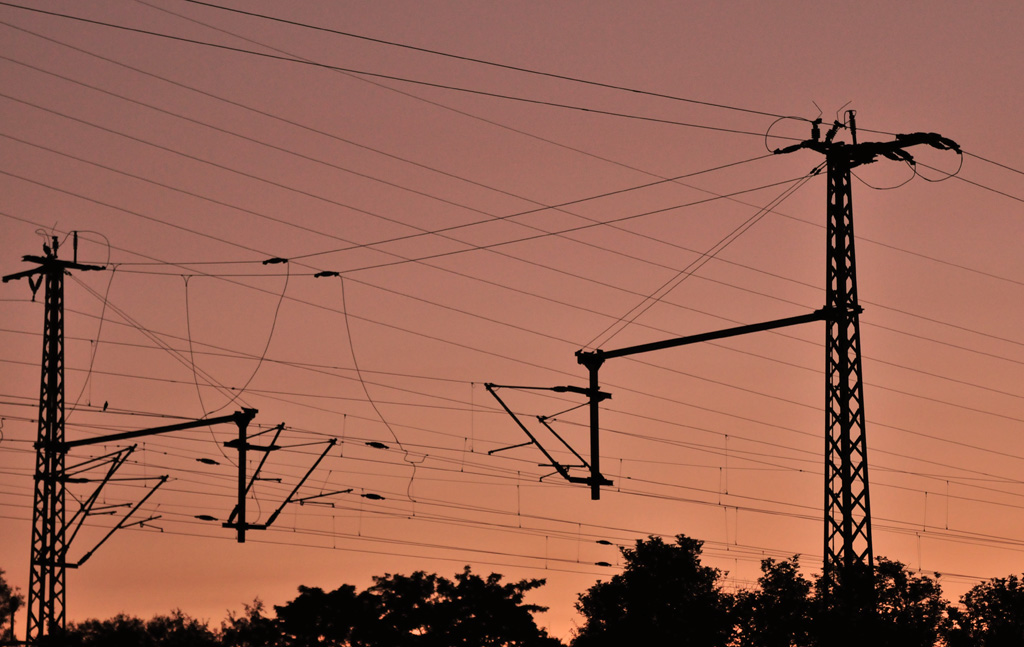
관련된 태그 방식
링크
- ↑ 개발 중